الف نیوز شمارہ نمبر: 171 | تاریخ: 5 اپریل 2026 | مدیرِ اعلٰی: سیّد اکبر زاہد
اداریہ
سیّد اکبر زاہد
انسانیت کا ماتم یا انصاف کا جشن؟
دنیا کی تاریخ میں ایسے لمحات بارہا آئے ہیں جب طاقت نے انصاف کا لبادہ اوڑھ کر ظلم کو جائز ٹھہرانے کی کوشش کی۔ مگر ہر دور میں ایک سوال زندہ رہا: کیا قانون کے نام پر انسانیت کو روند دینا بھی انصاف کہلائے گا؟
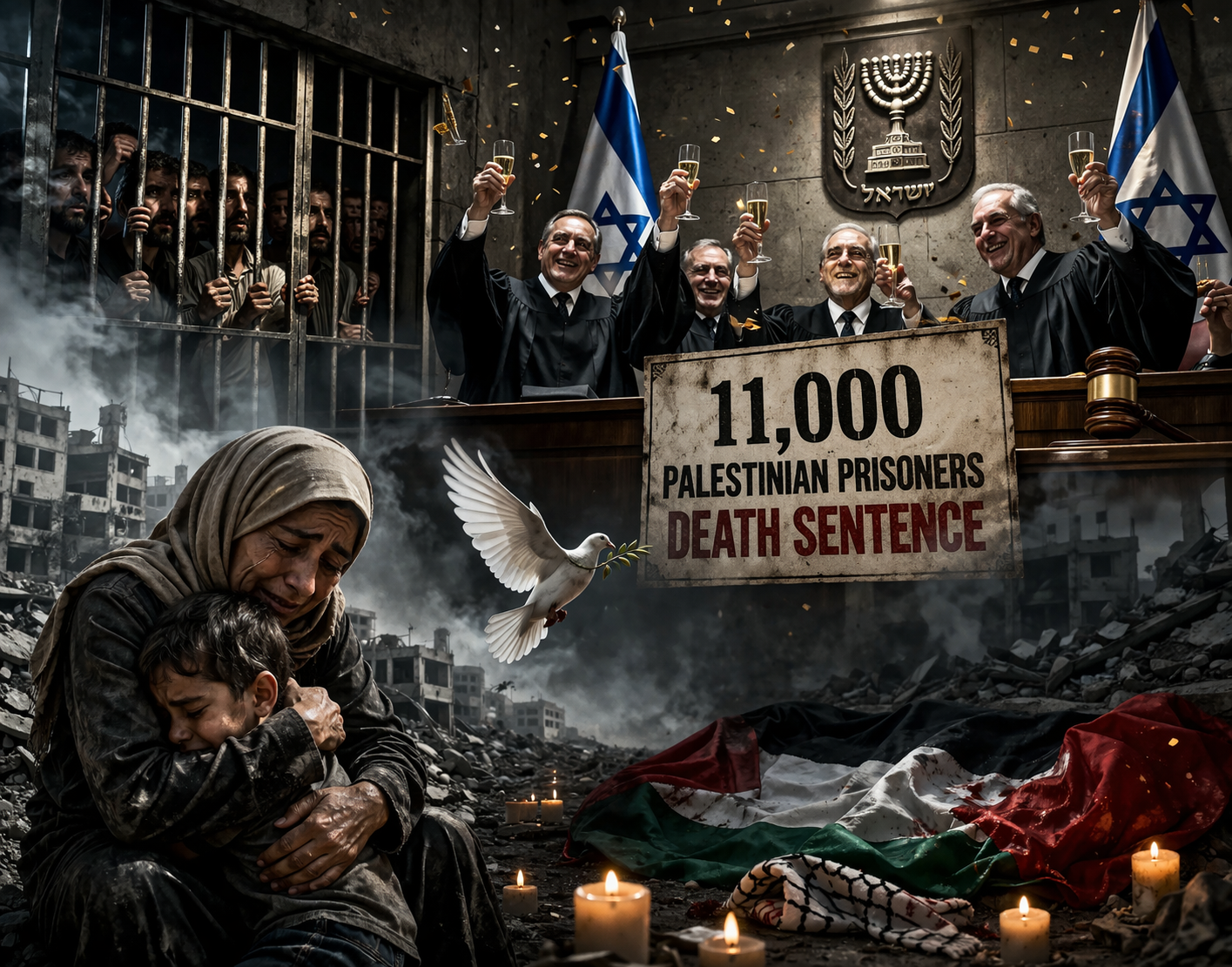
حال ہی میں یہ دعویٰ سامنے آیا کہ ہزاروں فلسطینی قیدیوں کو سزائے موت سنائی گئی اور اس کے بعد جشن منایا گیا۔ اگر یہ مناظر حقیقت پر مبنی ہیں، تو یہ صرف ایک سیاسی یا عدالتی واقعہ نہیں، بلکہ انسانیت کے ضمیر پر ایک گہرا زخم ہیں۔
عدالتیں ہمیشہ انصاف، وقار اور سنجیدگی کی علامت سمجھی جاتی ہیں۔ وہاں خوشی کے اظہار کی گنجائش تب ہوتی ہے جب مظلوم کو انصاف ملے، نہ کہ جب انسانی جانوں کے خاتمے کا اعلان ہو۔ اگر موت کے فیصلے کو جشن کا موقع بنا دیا جائے، تو یہ صرف قانون کی روح ہی نہیں بلکہ انسانی اقدار کی بھی توہین ہے۔
یہ سچ ہے کہ ہر ریاست کو اپنے دفاع کا حق حاصل ہے، اور ہر معاشرہ جرائم کے خلاف قانون سازی کرتا ہے۔ مگر اجتماعی سزا، اور وہ بھی ایسے انداز میں جس میں انسانیت کی تذلیل جھلکے، عالمی اصولوں اور اخلاقی معیاروں کے منافی ہے۔ انصاف کی اصل روح انتقام نہیں بلکہ توازن، شفافیت اور رحم دلی میں پنہاں ہے۔
ہمیں یہ بھی یاد رکھنا چاہیے کہ جنگیں اور تنازعات صرف سرحدوں پر نہیں لڑے جاتے، بلکہ انسان کے اندر بھی ایک جنگ جاری رہتی ہے—حق اور طاقت، انصاف اور انتقام کے درمیان۔ جب معاشرے اس اندرونی جنگ میں ہار جاتے ہیں، تب باہر کی فتوحات بھی بے معنی ہو جاتی ہیں۔
آج دنیا کو ضرورت ہے کہ وہ ہر واقعے کو جذبات کے بجائے تحقیق اور صداقت کی روشنی میں دیکھے۔ اگر ایسے دعوے درست ہیں تو عالمی برادری کی خاموشی ایک سوالیہ نشان ہے، اور اگر یہ مبالغہ یا غلط اطلاع ہے تو اس کی تصحیح بھی اتنی ہی ضروری ہے۔ کیونکہ سچائی ہی وہ بنیاد ہے جس پر انصاف کی عمارت کھڑی ہوتی ہے۔
آخر میں، ہمیں خود سے یہ سوال پوچھنا ہوگا:
کیا ہم ایک ایسی دنیا چاہتے ہیں جہاں انسان کی جان محض ایک عدد بن جائے؟
یا پھر ایک ایسی دنیا، جہاں ہر زندگی کی حرمت کو تسلیم کیا جائے؟
انسانیت کا اصل امتحان یہی ہے—کہ وہ طاقت کے نشے میں خود کو کھو دے، یا رحم، انصاف اور سچائی کے راستے پر قائم رہے۔
Editorial
Syed Akbar Zahid
A Celebration of Justice—or a Mourning of Humanity?
History has witnessed many moments when power has attempted to cloak itself in the language of justice. Yet one question has always endured: can the trampling of humanity ever truly be called justice?
Recent claims suggest that thousands of Palestinian prisoners have been sentenced to death, followed by scenes of celebration. If such accounts are true, they do not merely represent a legal or political event—they mark a profound wound on the conscience of humanity.
Courts are meant to symbolize dignity, restraint, and fairness. Celebration belongs where justice restores life and rights—not where it announces the end of human lives. Turning death into a moment of festivity undermines not only the spirit of law but the very foundation of human values.
It is undeniable that states have the right to defend themselves and enforce laws against crime. However, collective punishment—especially when accompanied by apparent dehumanization—stands in stark contradiction to global ethical standards. Justice, at its core, is not revenge; it is balance, transparency, and compassion.
Conflicts are not only fought on battlefields; they are also fought within the human soul—between justice and vengeance, between conscience and power. When societies lose this internal battle, even their external victories become hollow.
At such a time, the world must respond not with blind emotion but with careful verification and moral clarity. If these claims are true, silence becomes complicity. If they are exaggerated or false, correcting them is equally vital. Truth remains the cornerstone upon which justice stands.
In the end, we must ask ourselves:
Do we want a world where human life is reduced to a statistic?
Or one where every life is treated with dignity and worth?
The true test of humanity lies here—whether it loses itself in the intoxication of power, or stands firm on the path of compassion, justice, and truth.





Leave a Reply