الف نیوز شمارہ نمبر: 204 | تاریخ: 9 مئی 2026| ہفتہ
اداریہ
سیّد اکبر زاہد
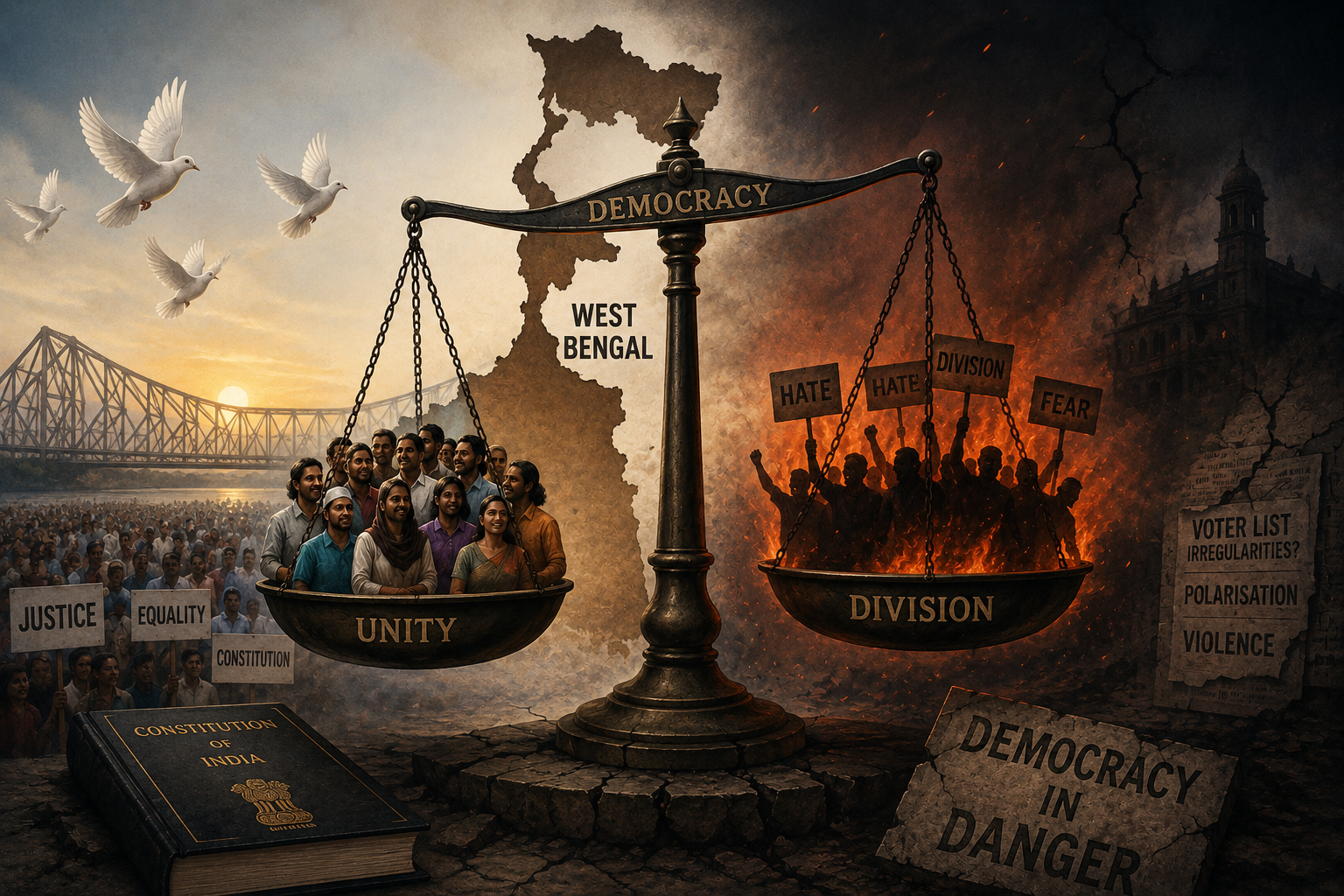
مغربی بنگال ہمیشہ سے ہندوستان کی فکری، ثقافتی اور سیاسی روح کا ایک اہم استعارہ رہا ہے۔ یہی سرزمین کبھی رابندر ناتھ ٹیگور کی شاعری، ستیہ جیت رے کی بصیرت، اور عوامی مزاحمت کی علامت سمجھی جاتی تھی۔ آج اسی بنگال میں اقتدار کی ایک نئی تبدیلی رونما ہوئی ہے، مگر اس تبدیلی کے گرد اٹھنے والے سوالات ہندوستانی جمہوریت کے لیے تشویش کا باعث بنے ہوئے ہیں۔
انتخابات صرف ووٹوں کی گنتی کا نام نہیں ہوتے؛ ان کی اصل روح عوام کے اعتماد، خوف سے آزادی، اور مساوی سیاسی فضا میں پوشیدہ ہوتی ہے۔ اگر کسی معاشرے میں انتخابی عمل کے دوران فرقہ وارانہ تقسیم گہری ہو جائے، ایک طبقہ خود کو غیر محفوظ محسوس کرے، یا سیاسی تشدد معمول بن جائے، تو جمہوریت کی کامیابی کا جشن ادھورا محسوس ہونے لگتا ہے۔
مغربی بنگال کے حالیہ انتخابات کے بعد جس طرح سیاسی کشیدگی، نفرت آمیز بیانیے، اور تشدد کی خبریں سامنے آئیں، وہ ایک سنجیدہ مکالمے کی متقاضی ہیں۔ ہندوستان کی طاقت ہمیشہ اس کی تکثیریت، تنوع، اور آئینی توازن میں رہی ہے۔ اگر سیاست مذہبی شناختوں کے گرد گھومنے لگے، تو سماجی ہم آہنگی کمزور پڑنے لگتی ہے۔
یہ ضروری ہے کہ نئی حکومت خود کو صرف ایک جماعت کی حکومت نہیں بلکہ پورے بنگال کی نمائندہ ثابت کرے۔ جمہوریت کی اصل فتح اسی وقت ممکن ہے جب اختلاف رکھنے والوں کو بھی تحفظ، انصاف، اور اظہار کی آزادی حاصل ہو۔
اقتدار بدل جانا تاریخ کا حصہ ہے، مگر تاریخ یہ بھی یاد رکھتی ہے کہ اقتدار کو کس اخلاق، کس انصاف، اور کس انسانی وقار کے ساتھ استعمال کیا گیا۔
Editorial |
Democracy Under Trial
West Bengal has long stood as a symbol of India’s intellectual, cultural, and political consciousness — a land associated with poetry, resistance, reform, and pluralism. The emergence of a new government in the State is undoubtedly a major democratic event, yet the atmosphere surrounding this transition has also raised difficult and sensitive questions.
Elections are not merely about counting votes; they are equally about public trust, institutional credibility, freedom from fear, and the assurance that every citizen participates in democracy with dignity and equality. When political contests become deeply polarised along communal or identity lines, concerns naturally arise about the health of democratic culture.
The recent developments in Bengal — accompanied by allegations of voter irregularities, sharp social polarisation, and post-poll violence — call for reflection rather than triumphalism alone. A democracy becomes truly strong not when one side wins overwhelmingly, but when even the losing side feels secure within the constitutional framework.
India’s strength has always rested in its diversity and coexistence. Political transitions should therefore become opportunities for reconciliation, healing, and institutional fairness — not moments that deepen fear or social division.
The incoming government now carries a responsibility larger than electoral victory itself: to reassure every community, uphold constitutional morality, and protect democratic freedoms without prejudice.
Power changes hands in every democracy. What history ultimately remembers, however, is not merely who ruled, but how they ruled — with justice or with division, with compassion or with fear.





Leave a Reply