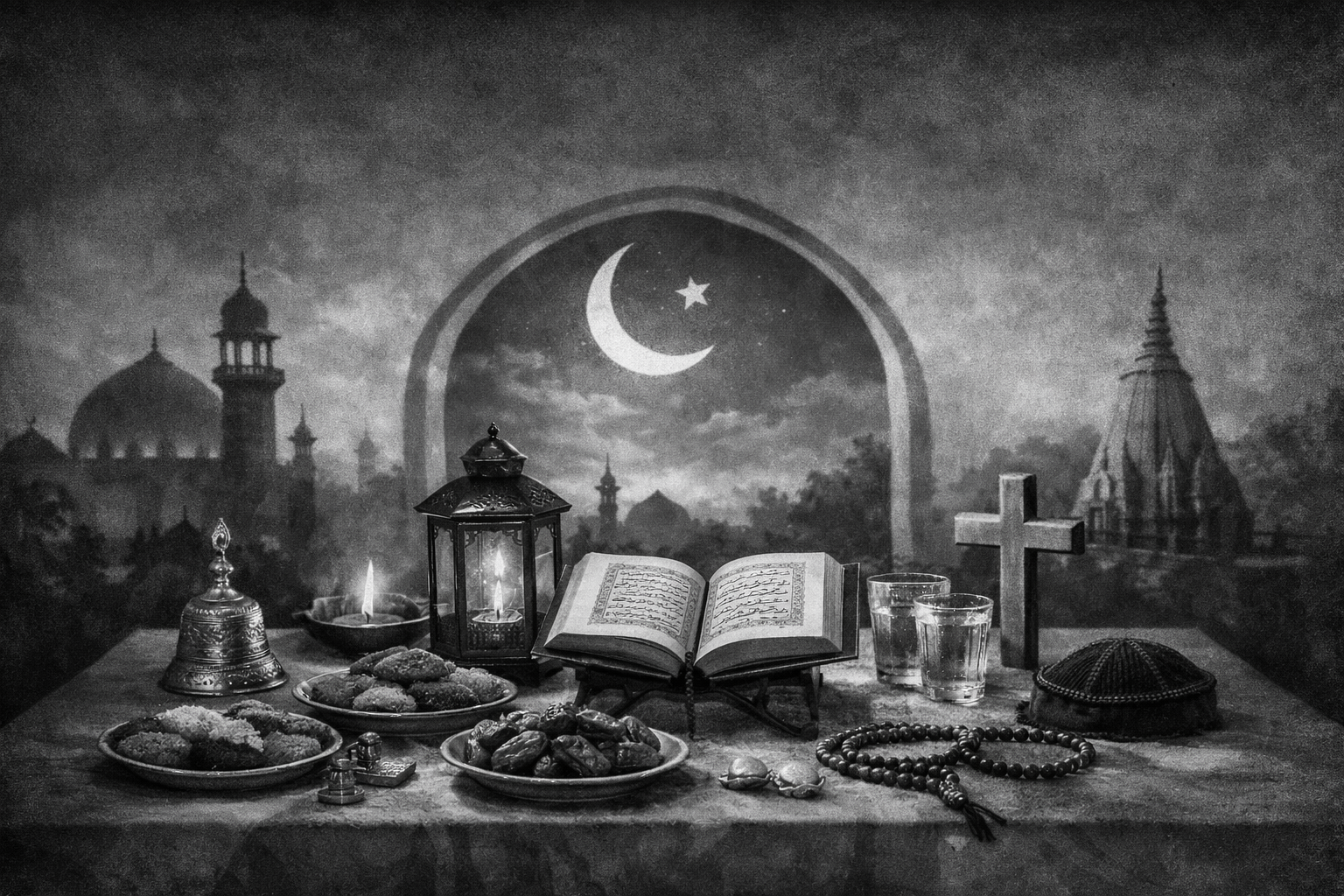
مدھیہ پردیش کے شہر بھوپال کے ایک نجی کالج میں منعقد ہونے والی ایک سادہ سی افطار تقریب اچانک ایک ایسے تنازع کا سبب بن گئی، جس نے ہندوستان کی مشترکہ تہذیب، آئینی روح اور سماجی ہم آہنگی پر کئی سوالات کھڑے کر دیے۔
رمضان کی اس بابرکت شام میں، جہاں مسلم طلبہ اپنے روزے افطار کر رہے تھے، وہیں کچھ ہندو طالبات کی شرکت نے اس محفل کو ایک خوبصورت ہم آہنگی کی تصویر بنا دیا۔ یہ وہ منظر تھا جہاں مذہب دیوار نہیں بلکہ پل بن گیا تھا۔
مگر افسوس، اسی منظر کو کچھ شدت پسند حلقوں نے اختلاف اور اشتعال کا عنوان بنا دیا۔ ویڈیو وائرل ہوتے ہی بعض تنظیموں کے کارکنان کالج کے باہر جمع ہوئے، نعرے لگائے، اور ہنومان چالیسہ کا پاٹھ کیا۔ یہاں تک کہ کیمپس میں گنگا جل چھڑک کر اسے "پاک” کرنے کی کوشش کی گئی—گویا انسانوں کی موجودگی سے کوئی جگہ ناپاک ہو جاتی ہو۔
یہ سوال اب ہمارے سامنے کھڑا ہے:
کیا کسی دوسرے مذہب کی تقریب میں شرکت کرنا، ہندوستانی تہذیب کے خلاف ہے؟
یا پھر یہ وہی روح ہے جسے دستورِ ہند نے "سیکولرازم” کے نام سے محفوظ کیا ہے؟
ہندوستان کا آئین ہر شہری کو اپنے مذہب پر عمل کرنے، اور دوسروں کے مذہب کا احترام کرنے کی آزادی دیتا ہے۔ ایسے میں اگر کوئی تعلیمی ادارہ تمام مذاہب کے تہوار مناتا ہے، تو یہ نہ صرف قانونی بلکہ اخلاقی طور پر بھی قابلِ ستائش ہے۔
افطار کی اس محفل میں شامل ہندو طالبات نے دراصل ایک پیغام دیا تھا—
کہ انسانیت، مذہب سے بڑی ہے۔
اور رواداری، سب سے اعلیٰ عبادت ہے۔
مگر جو عناصر اس ہم آہنگی کو "آلودگی” سمجھتے ہیں، وہ دراصل اس آئینی فکر سے ٹکرا رہے ہیں جس کی بنیاد ہی تنوع میں اتحاد ہے۔
یہ محض ایک افطار نہیں تھی—یہ ہندوستان کی اصل روح کی جھلک تھی۔
کالج انتظامیہ نے اس تنازع کے درمیان وضاحت کرتے ہوئے کہا کہ ادارہ ہمیشہ سے تمام مذاہب کے تہواروں کو یکساں احترام کے ساتھ مناتا آیا ہے۔ چند روز قبل اسی کیمپس میں ہولی کا تہوار بھی خوشی اور رنگوں کے ساتھ منایا گیا تھا، جس میں مختلف مذاہب کے طلبہ نے بڑھ چڑھ کر حصہ لیا۔ انتظامیہ کے مطابق افطار کی تقریب بھی اسی روایت کا تسلسل تھی—ایک ایسی روایت جو ہندوستان کی گنگا جمنی تہذیب کی عکاس ہے، جہاں رنگ اور روشنی، روزہ اور دعا، سب ایک ہی انسانی جذبے میں ڈھل جاتے ہیں۔
یہ بیان اس سوال کو اور گہرا کر دیتا ہے کہ اگر ایک ہی جگہ ہولی کے رنگ بکھر سکتے ہیں اور افطار کی دعائیں گونج سکتی ہیں، تو پھر اختلاف کی بنیاد کہاں سے پیدا ہوتی ہے؟
"When an Iftar Table Became a Bridge—and Intolerance Tried to Break It”
In the city of Bhopal, Madhya Pradesh, what began as a simple Iftar gathering within a private college turned into a moment of deep societal reflection—raising questions about harmony, identity, and the true spirit of the Indian Constitution.
On that serene evening of Ramadan, Muslim students gathered to break their fast. Among them were Hindu girls, whose presence transformed the event into a living symbol of India’s pluralistic ethos—a moment where faith did not divide, but connected.
Yet, this very image of unity was perceived as provocation by certain groups. Protests erupted outside the campus. Slogans were raised, religious hymns recited, and even "purification rituals” performed with Ganga water—suggesting that coexistence itself had somehow tainted the space.
This leads us to a crucial question:
Does participating in another community’s celebration violate Indian values?
Or does it, in fact, embody the very essence of constitutional secularism?
The Constitution of India guarantees not only the freedom to practice one’s religion but also the dignity to respect others’. An institution that celebrates festivals of all faiths is not promoting division—it is nurturing unity.
The Hindu girls who attended the Iftar did not cross a line—they drew one.
A line that separates prejudice from empathy.
Division from harmony.
Ritual from humanity.
Those who oppose such moments of togetherness must reflect:
Are they safeguarding culture—or challenging the very constitutional ideals they claim to uphold?
Because sometimes, a shared meal is more than food—
it is a quiet declaration that humanity still survives beyond fear.
Amid the controversy, the college administration clarified that the institution has always upheld a tradition of celebrating festivals from all religions with equal respect. Just days before the Iftar gathering, the festival of Holi was celebrated on the same campus with enthusiasm, where students from different communities participated together.
According to the administration, the Iftar event was simply a continuation of this inclusive tradition—one that reflects India’s composite culture, where colors of Holi and prayers of Ramadan coexist in harmony.
If the same space can embrace both the colors of Holi and the serenity of Iftar, then where does the conflict truly arise—from culture, or from perception?





Leave a Reply