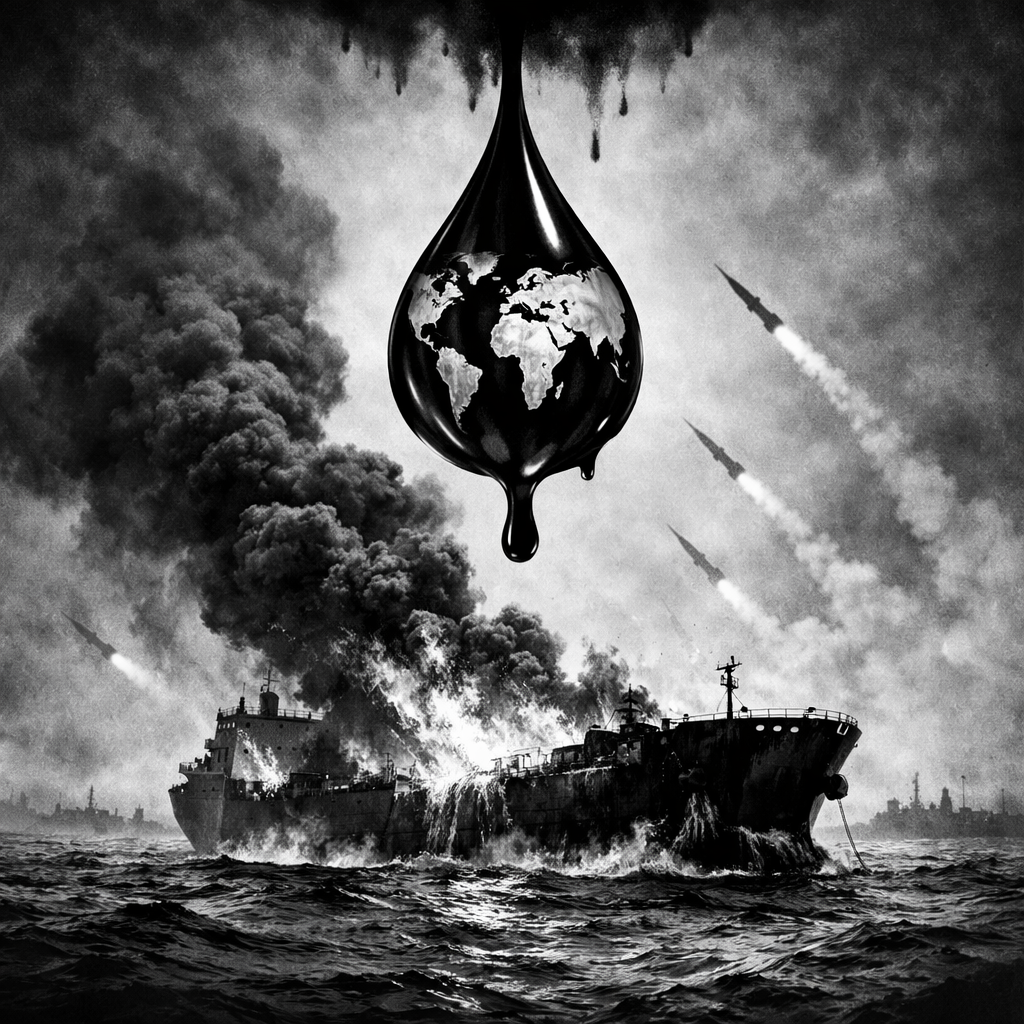
ایران امریکہ اسرائل جنگ
تیل بردار جہازوں پر حملے، جنگ کے سائے گہرے
تاریخ: 12 مارچ 2026
مشرقِ وسطیٰ میں جاری جنگ کے بادل مزید گہرے ہو گئے ہیں۔ عراق کی بندرگاہ الفاو کے قریب دو غیر ملکی تیل بردار جہازوں پر حملے کے بعد خطے میں تشویش کی ایک نئی لہر دوڑ گئی ہے۔ اس واقعے کے نتیجے میں عراق نے بعض تیل بندرگاہی سرگرمیاں معطل کر دی ہیں جبکہ خلیجی ممالک اپنی فضائی دفاعی صلاحیتوں کو مسلسل متحرک رکھے ہوئے ہیں۔
اسی دوران ایران کے صدر مسعود پزشکیان نے جنگ کے خاتمے کے لیے تین بنیادی شرائط پیش کی ہیں۔ تہران کا کہنا ہے کہ اگر عالمی برادری ایران کے جائز حقوق کو تسلیم کرے، جنگی نقصانات کا ازالہ کرے، اور آئندہ جارحیت کے خلاف واضح عالمی ضمانت فراہم کرے تو مذاکرات کا دروازہ کھل سکتا ہے۔
دوسری جانب امریکہ کے صدر ڈونلڈ ٹرمپ نے اعلان کیا ہے کہ امریکہ آبنائے ہرمز سے گزرنے والے تیل بردار جہازوں کے تحفظ کو یقینی بنائے گا۔ ایران نے اس کے جواب میں خبردار کیا ہے کہ اگر کشیدگی برقرار رہی تو عالمی منڈی میں تیل کی قیمت 200 ڈالر فی بیرل تک پہنچ سکتی ہے۔
اسی دوران اقوام متحدہ کی سلامتی کونسل نے ایک قرارداد منظور کی ہے جس میں خلیجی ممالک پر حملوں کی مذمت کی گئی ہے اور ایران سے فوری طور پر کارروائیاں روکنے کا مطالبہ کیا گیا ہے۔ تاہم چین اور روس نے اس قرارداد پر ووٹنگ سے گریز کرتے ہوئے ویٹو استعمال نہیں کیا۔
اقوام متحدہ کے ادارۂ اطفال یونیسیف کے مطابق جنگ کے آغاز کے بعد سے اب تک ایک ہزار سے زیادہ بچے ہلاک یا زخمی ہو چکے ہیں، جبکہ لاکھوں بچے تعلیم اور گھروں سے محروم ہو گئے ہیں۔
یہ جنگ صرف میزائلوں اور ڈرونز کی نہیں بلکہ انسانیت کے مستقبل کی جنگ بنتی جا رہی ہے—جہاں ہر دھماکے کے ساتھ ایک سوال گونجتا ہے:
کیا طاقت کے شور میں انسان کی آواز ہمیشہ دبتی رہے گی؟
ALIF NEWS
IRAN AMERICA ISRAEL WAR
Tanker Attacks Deepen Gulf Crisis
Iran Announces Three Conditions for Peace
12 March 2026
The shadow of war across the Middle East has grown darker after two foreign oil tankers were attacked near Iraq’s al-Faw port, triggering fresh alarm across the Gulf region. Iraqi authorities have temporarily suspended some oil terminal operations while Gulf states have intensified their air-defence readiness amid continuing missile and drone threats.
In a significant political development, Iranian President Masoud Pezeshkian has outlined three conditions for ending the war. According to Tehran, negotiations could begin if the international community recognises Iran’s legitimate rights, compensates for wartime damages, and provides firm guarantees against future aggression.
Meanwhile, US President Donald Trump has vowed that Washington will protect oil tankers passing through the Strait of Hormuz, one of the world’s most critical energy routes. Iran, however, has warned that continued escalation could push global oil prices to $200 per barrel, threatening severe economic repercussions worldwide.
The United Nations Security Council has also adopted a resolution condemning attacks on Gulf countries and urging Iran to halt hostilities immediately. China and Russia abstained but chose not to veto the resolution.
According to UNICEF, the human cost of the conflict is mounting rapidly. Since the war began, more than 1,100 children have reportedly been killed or injured, while millions across the region face displacement and disruption of essential services.
Beyond geopolitics and military strategy lies a deeper tragedy:
every explosion echoes through the lives of ordinary people, reminding the world that wars are ultimately fought on the fragile ground of human suffering.





Leave a Reply