الف نیوز شمارہ نمبر: 117؛ تاریخ: 8 فروری 2026؛ مدیرِ اعلٰی: سیّد اکبر زاہد
اداریہ
سیّد اکبر زاہد
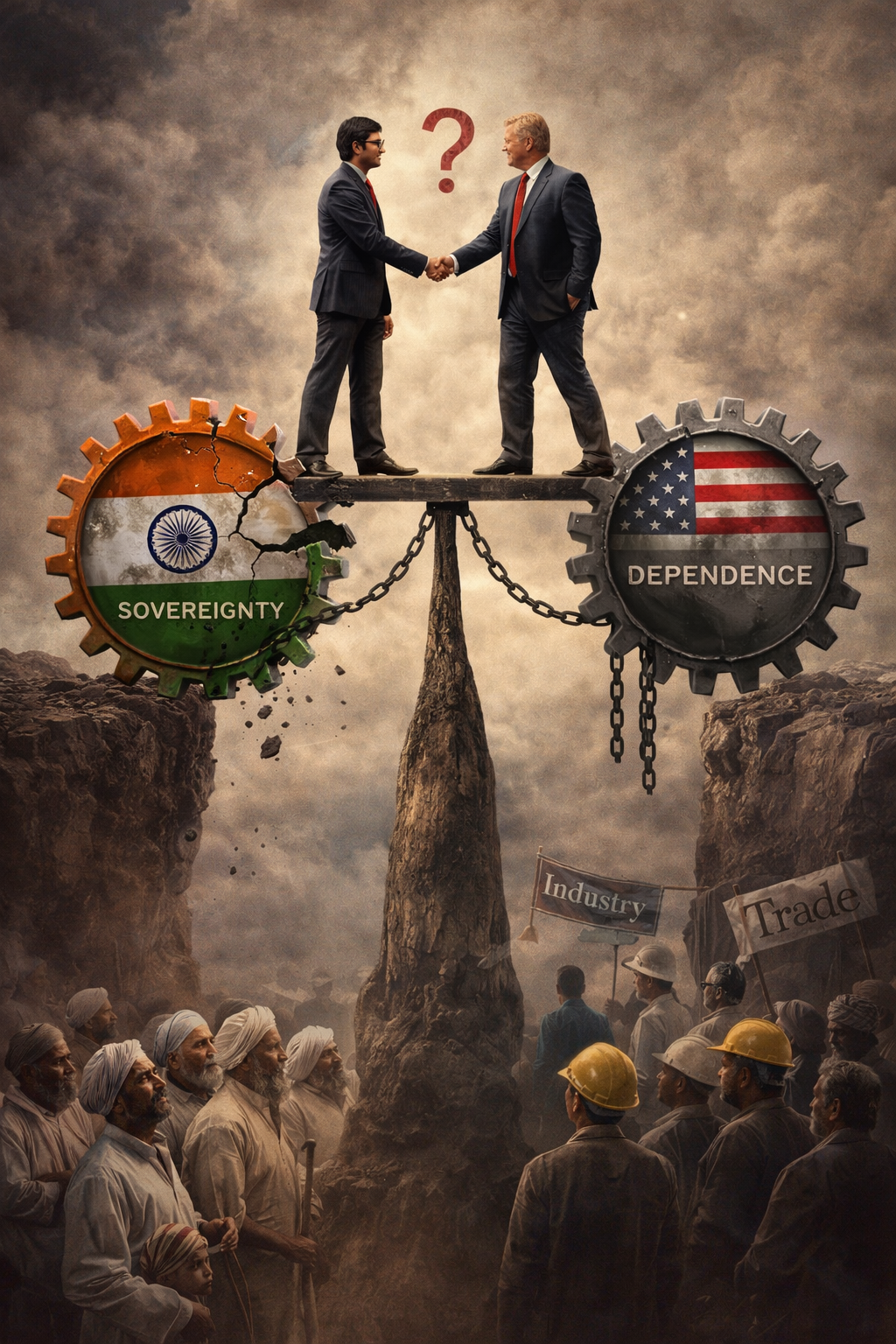
تجارت، خودمختاری اور سوالیہ نشان
بھارت اور United States کے درمیان طے پانے والا عبوری تجارتی فریم ورک بظاہر رعایتوں، امکانات اور باہمی اعتماد کی ایک روشن تصویر پیش کرتا ہے، مگر اس تصویر کے پسِ منظر میں ایسے سوالات بھی ابھر رہے ہیں جنہیں نظرانداز کرنا قومی دانش کے ساتھ ناانصافی ہوگی۔
یہ درست ہے کہ امریکی درآمدات پر محصولات میں کمی اور بھارتی برآمدات پر امریکی ٹیرف میں نمایاں تخفیف فوری طور پر تجارت کو فروغ دے سکتی ہے۔ ٹیکسٹائل، دستکاری، کیمیکلز اور صنعتی مصنوعات کے لیے نئی راہیں کھلنے کا امکان ہے، اور حکومت کے بقول اس سے روزگار اور سرمایہ کاری میں اضافہ ہوگا۔
وزیرِ اعظم نریندر مودی کا یہ کہنا کہ یہ معاہدہ Make in India کو مضبوط بنائے گا، ایک پُرکشش دعویٰ ہے—مگر دعووں اور زمینی حقیقت کے درمیان فاصلہ اکثر وقت کے ساتھ واضح ہوتا ہے۔
اصل سوال یہ ہے کہ کیا عالمی منڈی کے دباؤ میں مقامی صنعت واقعی خود کو محفوظ رکھ پائے گی؟
اگرچہ حکومت نے حساس زرعی اور ڈیری شعبوں کو تحفظ دینے کا اعلان کیا ہے، لیکن “وسیع زرعی مصنوعات” کے لیے مارکیٹ کھولنے کا مطلب یہ بھی ہے کہ بھارتی کسان بالواسطہ طور پر امریکی سبسڈی یافتہ زرعی نظام کے مقابل لا کھڑے ہوں گے۔ یہ مقابلہ صرف قیمتوں کا نہیں، بلکہ وسائل، ٹیکنالوجی اور ریاستی سرپرستی کا بھی ہے۔
مزید یہ کہ اس معاہدے میں شامل وہ شق، جس کے تحت کوئی بھی فریق دوسرے کی ٹیرف پالیسی میں تبدیلی کی صورت میں اپنے وعدوں پر نظرثانی کر سکتا ہے، تجارتی استحکام سے زیادہ غیر یقینی کو جنم دیتی ہے۔ تجارت اعتماد مانگتی ہے، اور اعتماد عارضی فریم ورک پر نہیں بلکہ طویل المدت اصولوں پر قائم ہوتا ہے۔
ڈیجیٹل تجارت، ٹیکنالوجی، سپلائی چین اور توانائی کے شعبوں میں تعاون کے وعدے مستقبل کی جھلک ضرور دکھاتے ہیں، مگر اس کے ساتھ یہ خطرہ بھی موجود ہے کہ کہیں بھارت محض ایک بڑی منڈی اور خام صارف بن کر نہ رہ جائے، جبکہ فیصلہ سازی کا اختیار کہیں اور مرتکز ہو۔
الف نیوز کے نزدیک یہ معاہدہ نہ مکمل کامیابی ہے، نہ مکمل ناکامی—بلکہ ایک امتحان ہے۔
یہ امتحان پالیسی سازوں کا بھی ہے، صنعت کا بھی، اور سب سے بڑھ کر اس عوامی شعور کا، جو یہ طے کرے گا کہ کھلی منڈی اور قومی خودمختاری کے درمیان لکیر کہاں کھینچی جائے۔
تجارت قوموں کو قریب لاتی ہے، مگر اگر توازن بگڑ جائے تو یہی تجارت خاموش انحصار میں بدل جاتی ہے۔
سوال یہ نہیں کہ دروازے کھولے جائیں یا بند رکھے جائیں—
اصل سوال یہ ہے کہ دروازے کس شرائط پر کھولے جائیں؟
رفیقِ گفتگو،
ذیل میں اسی اداریے کا مکمل انگریزی متن ALIF NEWS کے فکری، متوازن اور اخلاقی لب و لہجے میں پیش کیا جا رہا ہے:
Editorial
By: Syed Akbar Zahid
7i60
Trade, Sovereignty, and the Question Mark — Where Does the India–US Deal Lead?
The interim trade framework agreed between India and the United States appears, at first glance, to be a story of concessions, opportunities, and renewed mutual confidence. Yet beneath this reassuring narrative lie questions that any serious national conscience must confront.
There is little doubt that reduced tariffs—both on U.S. exports to India and on Indian goods entering the American market—could provide an immediate boost to trade volumes. Sectors such as textiles, handicrafts, chemicals, and light manufacturing may find new openings, and the government projects gains in employment and investment. Prime Minister Narendra Modi has described the framework as a reinforcement of the Make in India vision—an appealing assertion that resonates with national aspirations. History, however, reminds us that the distance between promise and outcome is often measured in years, not words.
The central concern remains whether India’s domestic economy can truly withstand the pressures of a more liberalised trade environment. While the government has pledged full protection for sensitive agricultural and dairy sectors, the decision to open the market to a “wide range” of U.S. agricultural products carries deeper implications. Indian farmers may not face foreign competitors directly, but they will increasingly contend with a system backed by heavy subsidies, advanced technology, and strong state support. This is not merely a contest of prices—it is a contest of structures and power.
Equally significant is the clause allowing either country to revise its commitments if the other alters agreed tariff levels. Intended as flexibility, this provision may instead introduce uncertainty. Trade thrives on predictability; investment depends on stability. An arrangement that can be recalibrated at will risks becoming a moving target rather than a solid foundation.
The agreement’s broader promises—on digital trade, technology cooperation, supply chains, and energy—offer a glimpse of a future-oriented partnership. Yet they also raise a quiet anxiety: that India could gradually be positioned more as a vast consumer market than as an equal architect of global economic rules, with critical decisions shaped elsewhere.
From Alif News’ perspective, this deal is neither an outright triumph nor an inevitable setback. It is, above all, a test—of policy judgment, of institutional resilience, and of public awareness. It will test whether India can engage the global economy without surrendering the space needed to nurture its own industries, farmers, and innovators.
Trade can bring nations closer, but when balance is lost, it can also create silent dependencies.
The question, therefore, is not whether doors should be opened or closed—
The real question is on whose terms those doors are opened, and at what cost.





Leave a Reply