بسم اللہ الرحمن الرحیم
طاقت، الزام اور خاموش انسان — وینزویلا سے ایران تک ایک لرزتی دنیا
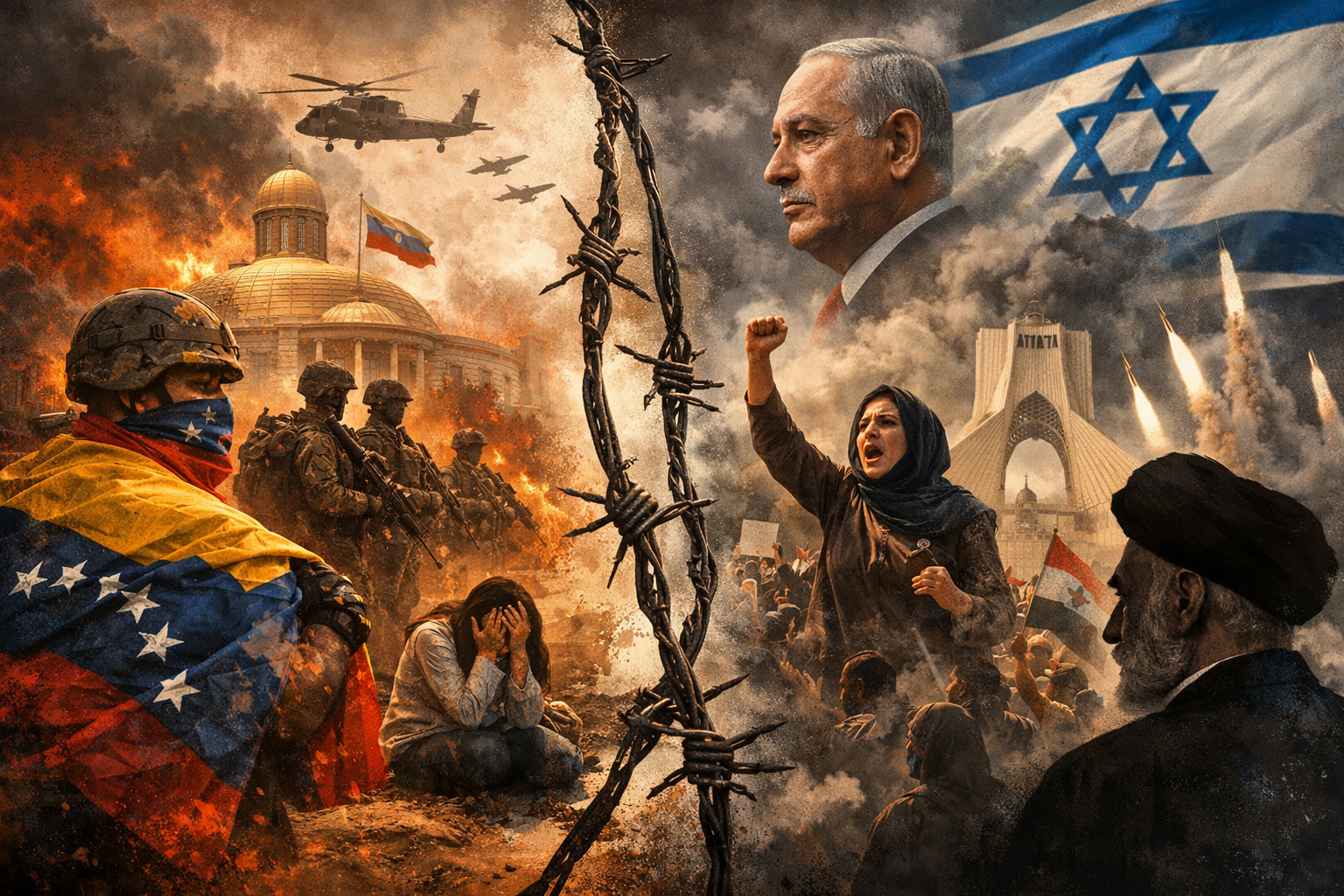
دنیا ایک بار پھر اس مقام پر کھڑی ہے جہاں طاقت قانون سے بلند اور انسانی وقار سفارتی بیانات کے نیچے دب جاتا ہے۔ وینزویلا میں صدر Nicolás Maduro کی گرفتاری ہو یا ایران میں سڑکوں پر اُترے ہوئے بے آواز مظاہرین — ہر منظر ہمیں یہ یاد دلاتا ہے کہ عالمی سیاست میں انسان اکثر محض ایک مہرہ بن کر رہ جاتا ہے۔
وینزویلا کی عبوری صدر Delcy Rodríguez کی جانب سے امریکی کارروائی میں اسرائیلی کردار کے الزامات محض ایک سیاسی بیان نہیں، بلکہ وہ عدمِ اعتماد، خوف اور شکستہ خودمختاری کی علامت ہیں۔ جب کسی ریاست کو یہ احساس ہو جائے کہ اس کی سرحدیں صرف جغرافیہ میں ہیں، فیصلے کہیں اور ہوتے ہیں، تو الزام محض الزام نہیں رہتا — وہ ایک چیخ بن جاتا ہے۔
دوسری جانب، وینزویلا کی قلیل یہودی برادری کی خاموشی ہمیں ایک تلخ سچ کی طرف متوجہ کرتی ہے:
طاقت کی جنگوں میں سب سے پہلے اقلیتیں غیر محفوظ ہوتی ہیں۔
نہ وہ اقتدار کا حصہ ہوتی ہیں، نہ فیصلوں کی میز پر مدعو — مگر نتائج کی تپش سب سے پہلے انہی تک پہنچتی ہے۔
ایران میں جاری احتجاجات پر اسرائیلی وزیر اعظم Benjamin Netanyahu کی حمایت، بظاہر انسانی حقوق کا بیان معلوم ہوتی ہے، مگر مشرقِ وسطیٰ کی تاریخ جانتی ہے کہ اخلاقی دعوے اکثر اسٹریٹجک مفادات کا لبادہ ہوتے ہیں۔
یہی وہ مقام ہے جہاں انسانی درد اور عالمی سیاست ایک دوسرے سے ٹکرا جاتے ہیں — اور اکثر انسان ہار جاتا ہے۔
الف نیوز یہ سوال اٹھانے پر خود کو مجبور پاتا ہے:
کیا دنیا میں کہیں بھی کوئی بحران خالصتاً انسان کے لیے ہوتا ہے؟
یا ہر دکھ، ہر احتجاج، ہر گرفتاری کے پیچھے کوئی نہ کوئی عالمی شطرنج بچھ چکی ہوتی ہے؟
ہم نہ کسی طاقت کے وکیل ہیں، نہ کسی بلاک کے ترجمان۔
ہم صرف یہ یاد دلانا چاہتے ہیں کہ:
جب سیاست انسان کو بھول جائے، تو تاریخ طاقت کو معاف نہیں کرتی۔
وینزویلا ہو یا ایران، لاطینی امریکہ ہو یا مشرقِ وسطیٰ —
امن کا راستہ الزام، دھمکی اور مداخلت سے نہیں
انصاف، مکالمے اور انسانی احترام سے نکلتا ہے۔
یہی الف نیوز کا مؤقف ہے۔
یہی ہماری ذمہ داری۔
Editorial
Power, Allegations and the Silenced Human — A Trembling World from Venezuela to Iran
Once again, the world finds itself at a familiar crossroads — a place where power rises above law, and human dignity is buried beneath official statements. Whether it is the capture of Venezuelan President Nicolás Maduro, or the anguished voices echoing through Iran’s streets, each scene reminds us of a painful truth: in global politics, human beings are often reduced to mere pieces on a strategic chessboard.
The allegation made by Venezuela’s interim president Delcy Rodríguez, pointing to Israeli involvement in the U.S. operation, is more than a political charge. It is an expression of deep mistrust, fear, and fractured sovereignty. When a nation begins to feel that its borders exist only on maps — while decisions are taken elsewhere — accusations transform into cries of desperation.
Equally telling is the silence of Venezuela’s tiny Jewish community. Their restraint in celebrating political change reveals a harsh reality:
in power struggles, minorities are the first to feel unsafe.
They are rarely part of decision-making, yet they bear the earliest and heaviest consequences.
Meanwhile, Israel’s vocal support for Iranian protesters — articulated by Prime Minister Benjamin Netanyahu — may appear as a moral stand for human rights. But the Middle East’s long memory warns us that ethical rhetoric often masks strategic interests. Here, humanitarian concern and geopolitical ambition collide — and too often, humanity loses.
Alif News is compelled to ask:
Is any modern crisis truly about human beings alone?
Or has every arrest, every protest, every upheaval already been woven into a global game of influence?
We speak for no power bloc.
We defend no geopolitical axis.
We only insist on this truth:
When politics forgets the human being, history does not forgive power.
From Venezuela to Iran, from Latin America to the Middle East, peace will not emerge from allegations, threats, or interventions — but from justice, dialogue, and respect for human life.
This is the voice of Alif News.
This is our responsibility.





Leave a Reply