نشستوں کی سیاست یا نظریات کی پاسداری؟
تمل ناڈو کی سیاست ایک بار پھر عددی توازن اور نظریاتی وابستگی کے بیچ جھولتی دکھائی دے رہی ہے۔ کمیونسٹ پارٹی آف انڈیا (مارکسسٹ) [CPI(M)] نے واضح کیا ہے کہ وہ اسمبلی انتخابات میں چھ نشستوں سے کم پر راضی نہیں ہوگی، جبکہ اتحادی جماعت ڈی ایم کے صرف پانچ نشستوں کی پیشکش کر رہی ہے۔
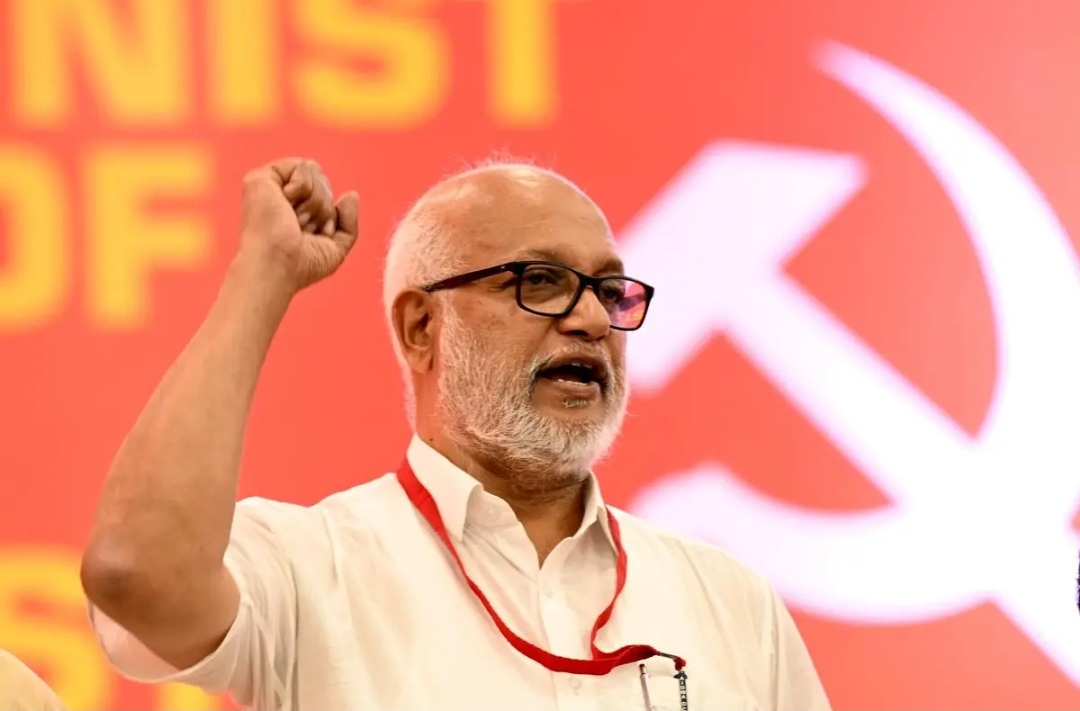
پارٹی کے جنرل سیکریٹری ایم اے بیبی نے ریاستی کمیٹی کے اجلاس میں اس مؤقف کو دہرایا کہ یہ محض سیٹوں کا سوال نہیں بلکہ سیاسی وقار اور سابقہ وعدوں کی پاسداری کا معاملہ ہے۔ CPI(M) کا دعویٰ ہے کہ 2021 کے انتخابات میں انہیں نشستوں میں اضافے کا یقین دلایا گیا تھا۔
دوسری جانب DMK کا مؤقف ہے کہ اتحاد میں نئی جماعتوں کی شمولیت کے باعث اس کے اپنے حصے میں کمی ناگزیر ہے، اور وہ تقریباً پندرہ نشستیں کھو سکتی ہے۔
اگرچہ CPI(M) نے اتحاد برقرار رکھنے کی خواہش ظاہر کی ہے تاکہ بی جے پی–اے آئی اے ڈی ایم کے اتحاد کو روکا جا سکے، تاہم بعض حلقوں میں یہ تجویز بھی زیر غور ہے کہ کچھ نشستوں پر آزادانہ مقابلہ کیا جائے اور دیگر پر DMK کی حمایت کی جائے۔
یہ کشمکش اس سوال کو جنم دیتی ہے کہ کیا اتحاد صرف جیتنے کا ذریعہ ہے یا اصولوں کی بنیاد پر قائم رہنے والا عہد؟
جمہوریت میں اختلاف فطری ہے، مگر کیا اختلاف اتحاد کو مضبوط کرتا ہے یا اس کی بنیادوں کو ہلا دیتا ہے؟
Seat Sharing or Struggle for Dignity?
Tensions Rise Within Tamil Nadu Alliance Over Seat Allocation
Tamil Nadu’s political landscape once again reflects the delicate balance between numbers and principles. The Communist Party of India (Marxist) [CPI(M)] has firmly stated that it will not accept fewer than six seats in the upcoming Assembly elections, while its ally DMK is offering only five.
Party General Secretary M.A. Baby reiterated this stand during the State Committee meeting, emphasizing that the issue is not merely about numbers but about political respect and the fulfillment of earlier assurances. CPI(M) leaders maintain that they were promised an increased share during the 2021 elections.
On the other hand, the DMK argues that the inclusion of more parties in the alliance has forced it to reduce its own share, potentially losing around fifteen constituencies.
While CPI(M) continues to support the DMK-led alliance with the broader aim of preventing the BJP–AIADMK combine from gaining power, internal discussions hint at a possible strategy of contesting independently in some constituencies while supporting DMK in others.
This evolving situation raises a deeper question:
Is an alliance merely an electoral arrangement, or a commitment rooted in shared ideology?
Alif News Reflection:
In democracy, disagreements are inevitable—but do they refine alliances, or quietly fracture them?





Leave a Reply