لکھنؤ، 10 فروری 2026
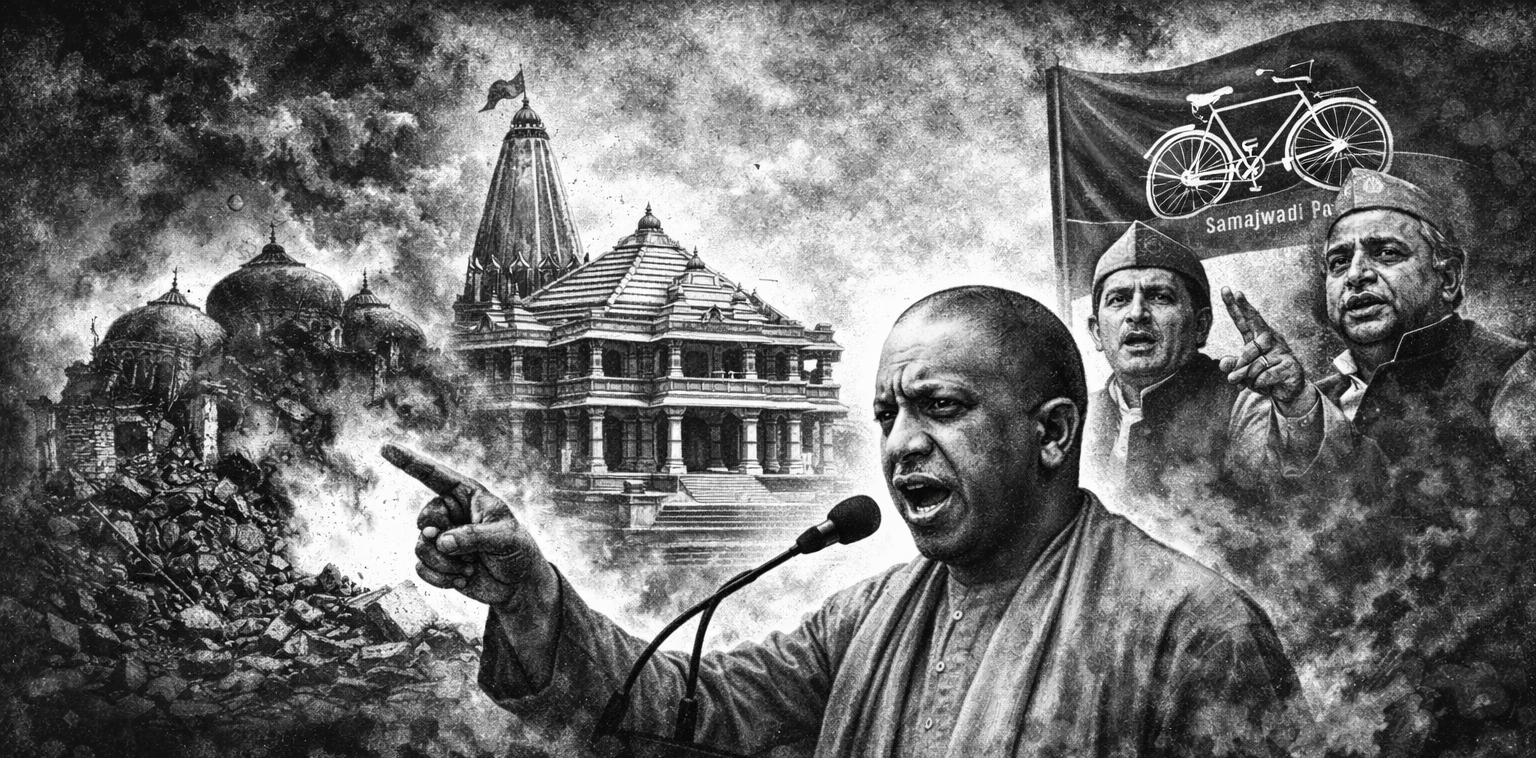
اتر پردیش کے وزیر اعلیٰ Yogi Adityanath نے بارہ بنکی ضلع میں ایک عوامی اجتماع سے خطاب کرتے ہوئے کہا کہ “بابری ڈھانچہ کبھی دوبارہ تعمیر نہیں ہوگا۔” ان کا یہ بیان حالیہ سیاسی کشیدگی کے تناظر میں سامنے آیا، جس پر حزبِ اختلاف نے سخت ردِعمل ظاہر کیا ہے۔
وزیر اعلیٰ نے اپنے خطاب میں کہا کہ 2017 سے پہلے ریاست میں تہواروں کے دوران امن و امان کی صورتحال کمزور تھی اور متعدد اضلاع میں کرفیو نافذ کرنا پڑتا تھا۔ ان کے مطابق موجودہ “ڈبل انجن حکومت” اپنے وعدے پورے کر رہی ہے اور ایودھیا میں رام مندر کی تعمیر اسی عزم کی علامت ہے۔
انہوں نے کہا:
“ہم نے کہا تھا کہ ہم آئیں گے اور رام مندر تعمیر کریں گے — کیا اس میں کوئی شبہ ہے؟”
بیان کے دوران انہوں نے یہ بھی کہا کہ قیامت کا دن کبھی نہیں آئے گا، اس لیے بابری ڈھانچہ بھی کبھی واپس نہیں آئے گا۔
دوسری جانب Samajwadi Party نے وزیر اعلیٰ کے بیان کو “مایوسی کی سیاست” قرار دیتے ہوئے کہا کہ ایسے بیانات سیاسی فائدے کے لیے دیے جا رہے ہیں۔ پارٹی رہنماؤں کے مطابق عوامی مسائل جیسے مہنگائی اور بے روزگاری سے توجہ ہٹانے کے لیے مذہبی جذبات کو ابھارا جا رہا ہے۔
سیاسی مبصرین کے مطابق یہ بیان ایک بار پھر مذہبی اور تاریخی معاملات کو انتخابی سیاست کے مرکز میں لے آیا ہے، خاص طور پر ایسے وقت میں جب مختلف ریاستوں میں سیاسی سرگرمیاں تیز ہو رہی ہیں۔
English
Lucknow, February 10, 2026
Uttar Pradesh Chief Minister Yogi Adityanath has asserted that the Babri structure will “never be rebuilt,” amid renewed political tensions surrounding the issue.
Addressing a public gathering in Barabanki district, the Chief Minister said that before 2017, festivals in the state were not secure and curfews were frequently imposed in several districts. He credited the current “double-engine government” with restoring law and order and fulfilling its promises, including the construction of the Ram Temple in Ayodhya.
“We said we would come and build the Ram Temple — is there any doubt?” he remarked during the event.
He further stated that the Day of Judgment would never arrive and, therefore, the Babri structure would never return.
The Samajwadi Party strongly criticised the remarks, calling them “politics born out of frustration.” Party leaders argued that such statements are intended to divert attention from pressing public issues such as inflation and unemployment.
Political analysts suggest that the statement has once again brought religious and historical narratives to the forefront of electoral politics, especially at a time of heightened political mobilisation across states.





Leave a Reply