نفرت کی علامت یا ریاستی اختیار کی توہین؟
جمہوریت کی عدالت میں ایک ویڈیو کا مقدمہ
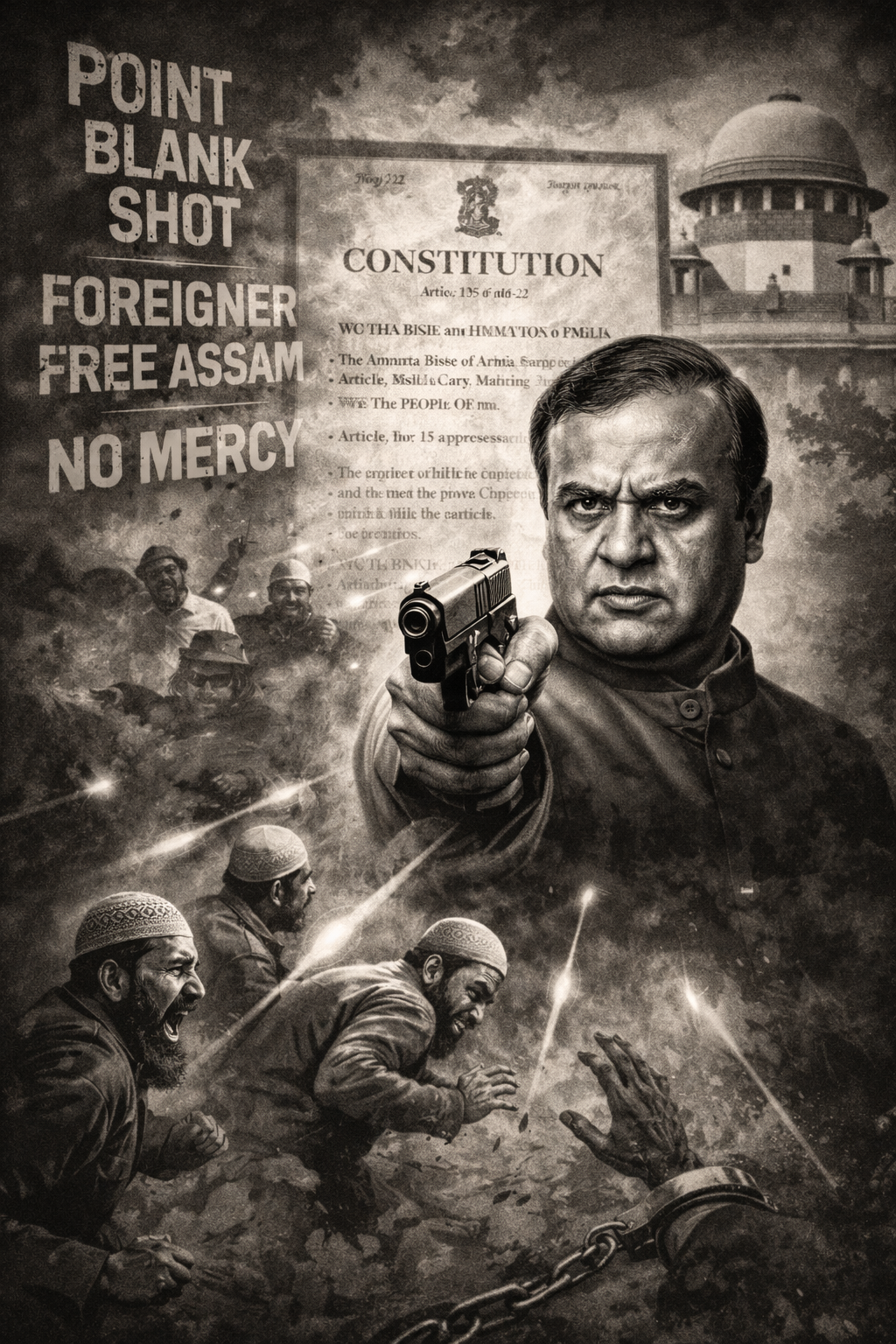
ہندوستانی جمہوریت کی بنیاد آئین، قانون اور انسانی وقار پر رکھی گئی ہے، مگر بعض اوقات اقتدار کے ایوانوں سے نکلنے والے اشارے ان بنیادوں کو لرزا دیتے ہیں۔ آسام کی حکمراں جماعت بی جے پی کے سوشل میڈیا اکاؤنٹ سے جاری ایک ویڈیو — جس میں وزیر اعلیٰ Himanta Biswa Sarma کو علامتی طور پر بندوق چلاتے اور مصنوعی ذہانت سے تیار کردہ مناظر میں داڑھی اور ٹوپی پہنے افراد کو نشانہ بنتے دکھایا گیا — اسی نوعیت کا ایک سنگین لمحہ ہے۔
یہ ویڈیو محض ایک بصری اشتعال نہیں تھی بلکہ اس کے ساتھ درج جملے جیسے “Point Blank Shot”، “No Mercy” اور “Foreigner Free Assam”، ایک مخصوص مذہبی شناخت کو خوف اور تشدد کے استعارے میں بدلتے دکھائی دیے۔ شدید عوامی اور سیاسی ردِعمل کے بعد ویڈیو حذف تو کر دی گئی، مگر سوال باقی ہے:
کیا نفرت انگیز علامت کو مٹانے سے اس کی ذہنی اور سماجی بازگشت بھی ختم ہو جاتی ہے؟
جمہوری ریاست میں اقتدار کی ذمہ داری یہ نہیں کہ وہ اکثریت کے جذبات کو ہتھیار بنائے، بلکہ یہ ہے کہ وہ اقلیتوں کے تحفظ کی علامت بنے۔ ہندوستان کا آئین — بالخصوص آرٹیکل 14 (برابری)، آرٹیکل 15 (امتیاز کی ممانعت) اور آرٹیکل 21 (حقِ زندگی و وقار) — کسی بھی ریاستی یا سیاسی عمل کو اس کسوٹی پر پرکھنے کا تقاضا کرتا ہے۔
الف نیوز کے نزدیک، یہ معاملہ محض ایک پارٹی ویڈیو نہیں بلکہ ریاستی اخلاقیات کا امتحان ہے۔ اگر اقتدار کی زبان میں بندوق کا استعارہ شامل ہو جائے، تو قانون کی آواز دھیمی پڑنے لگتی ہے، اور جمہوریت تماشہ بننے کا خطرہ مول لیتی ہے۔
When Power Flirts with Hate
A Constitutional Test for Indian Democracy
India’s democracy rests on the pillars of constitutional morality, rule of law, and human dignity. Yet, moments arise when symbols emerging from the corridors of power threaten to fracture these foundations. A now-deleted video shared by the Assam BJP’s official social media handle — featuring Chief Minister Himanta Biswa Sarma symbolically firing a gun, intercut with AI-generated visuals of bullets striking bearded men in skull caps — marks one such troubling moment.
Accompanied by captions such as “Point Blank Shot,” “No Mercy,” and “Foreigner Free Assam,” the video was widely criticised for visually and rhetorically targeting a religious community. While the post was eventually removed following public outrage, its deletion does not erase the deeper constitutional concern it raises.
In a democratic republic, state power is not meant to echo the impulses of majoritarian anger but to stand as a guarantor of minority rights. India’s Constitution — particularly Article 14 (Equality before Law), Article 15 (Prohibition of Discrimination), and Article 21 (Right to Life and Dignity) — draws a clear boundary between governance and incitement.
For Alif News, this episode is not merely about a provocative video; it is about the moral responsibility of authority. When the language of the state borrows the imagery of violence, the law risks losing its voice — and democracy risks being reduced to spectacle.





Leave a Reply