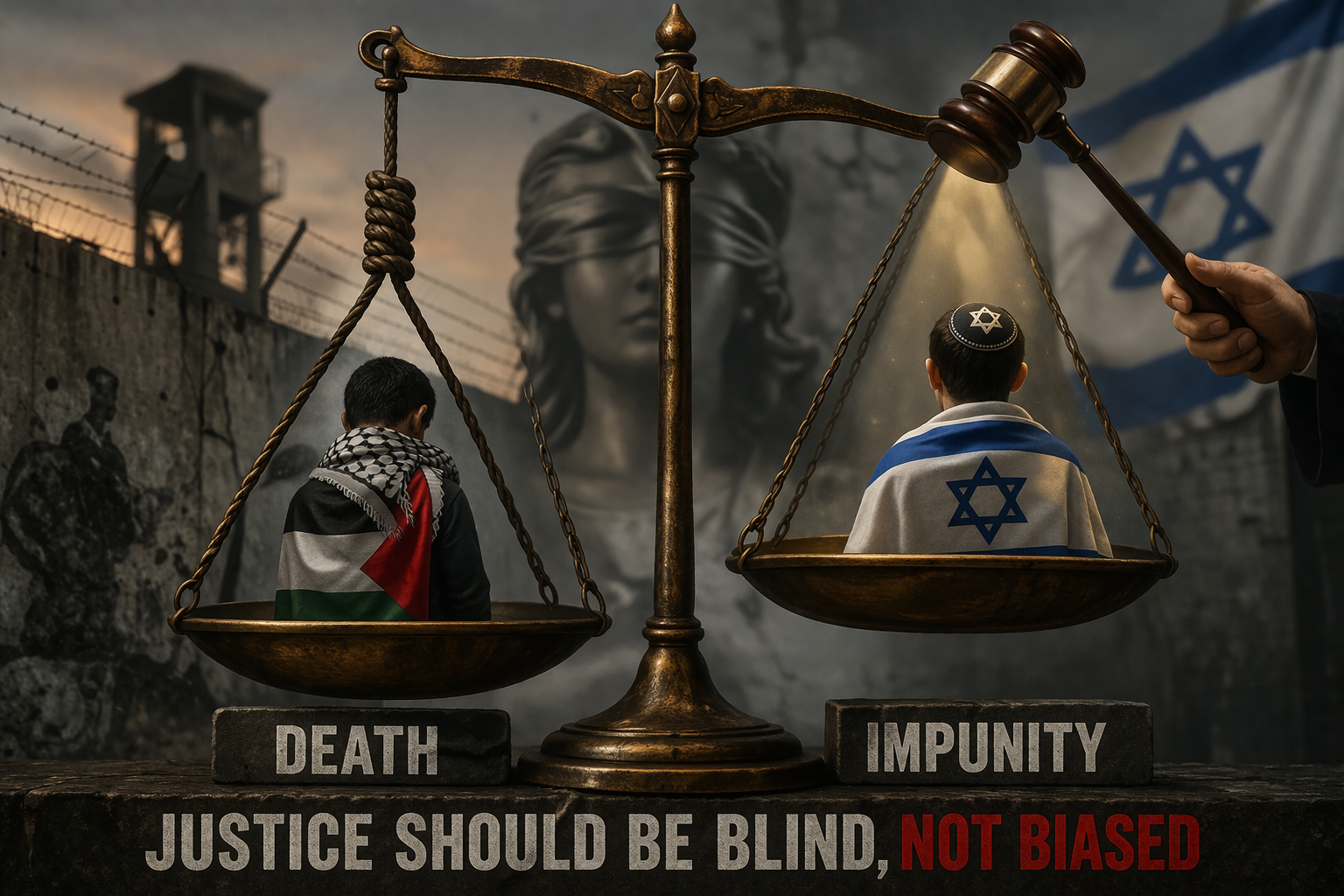
اسرائیلی اخبار Haaretz میں شائع ہونے والے ایک مضمون نے اسرائیلی معاشرے اور قانون سازی کے ایک نہایت حساس اور متنازع پہلو کو اجاگر کیا ہے۔ مضمون میں اس امر پر گہری تشویش ظاہر کی گئی ہے کہ فلسطینیوں کے لیے سزائے موت کی حمایت یا قانون سازی کی کوششیں ایک ایسے تضاد کو جنم دیتی ہیں، جہاں ایک ہی نوعیت کے جرائم میں یہودی اور عرب ملزمان کے ساتھ مختلف سلوک روا رکھا جاتا ہے۔
مصنف David Issacharoff کے مطابق یہ معاملہ محض قانونی نہیں بلکہ اخلاقی اور سماجی بحران کی علامت ہے۔ وہ سوال اٹھاتے ہیں کہ اگر دہشت گردی ایک جرم ہے تو اس کی بنیاد پر سزا بھی یکساں ہونی چاہیے—چاہے مجرم کسی بھی قومیت یا مذہب سے تعلق رکھتا ہو۔
مضمون میں اس امر کی نشاندہی کی گئی ہے کہ اسرائیلی معاشرے میں بعض حلقوں میں عرب مخالف جذبات اس حد تک سرایت کر چکے ہیں کہ انصاف کے اصول پس منظر میں چلے جاتے ہیں۔ یہ رجحان نہ صرف قانون کی غیر جانبداری پر سوال اٹھاتا ہے بلکہ ریاست کے اخلاقی تشخص کو بھی متاثر کرتا ہے۔
یہ تحریر ایک بڑے سوال کو جنم دیتی ہے:
کیا انصاف واقعی سب کے لیے برابر ہے، یا یہ شناخت اور وابستگی کی بنیاد پر بدل جاتا ہے؟
انسانی و اخلاقی پیغام:
انصاف کا حقیقی معیار وہی ہے جو بغیر کسی تعصب کے ہر فرد پر یکساں لاگو ہو۔ جب قانون میں امتیاز در آتا ہے تو صرف ایک قوم نہیں، بلکہ پوری انسانیت اس کا خمیازہ بھگتتی ہے۔
An opinion piece published in the Israeli newspaper Haaretz has brought renewed attention to a deeply sensitive and controversial issue within Israeli society and its legal framework. The article questions the push for imposing the death penalty on Palestinians while highlighting an apparent disparity in how similar acts of violence are treated when committed by Jewish individuals.
According to the writer David Issacharoff, the issue goes beyond legal debate and reflects a deeper moral and societal contradiction. He raises a critical question: if terrorism is a crime, should justice not be applied equally, regardless of ethnic or religious identity?
The article suggests that entrenched anti-Arab sentiments in certain sections of society may be influencing perceptions of justice, thereby undermining the principle of legal equality. Such a trend, it argues, risks eroding both the credibility of the legal system and the ethical foundation of the state.
At its core, the discussion leads to a profound question:
Is justice truly blind, or does it bend under the weight of identity and power?
Human & Ethical Reflection:
Justice derives its legitimacy from fairness and equality. When it becomes selective, it not only fails individuals but diminishes the moral standing of entire societies.





Leave a Reply