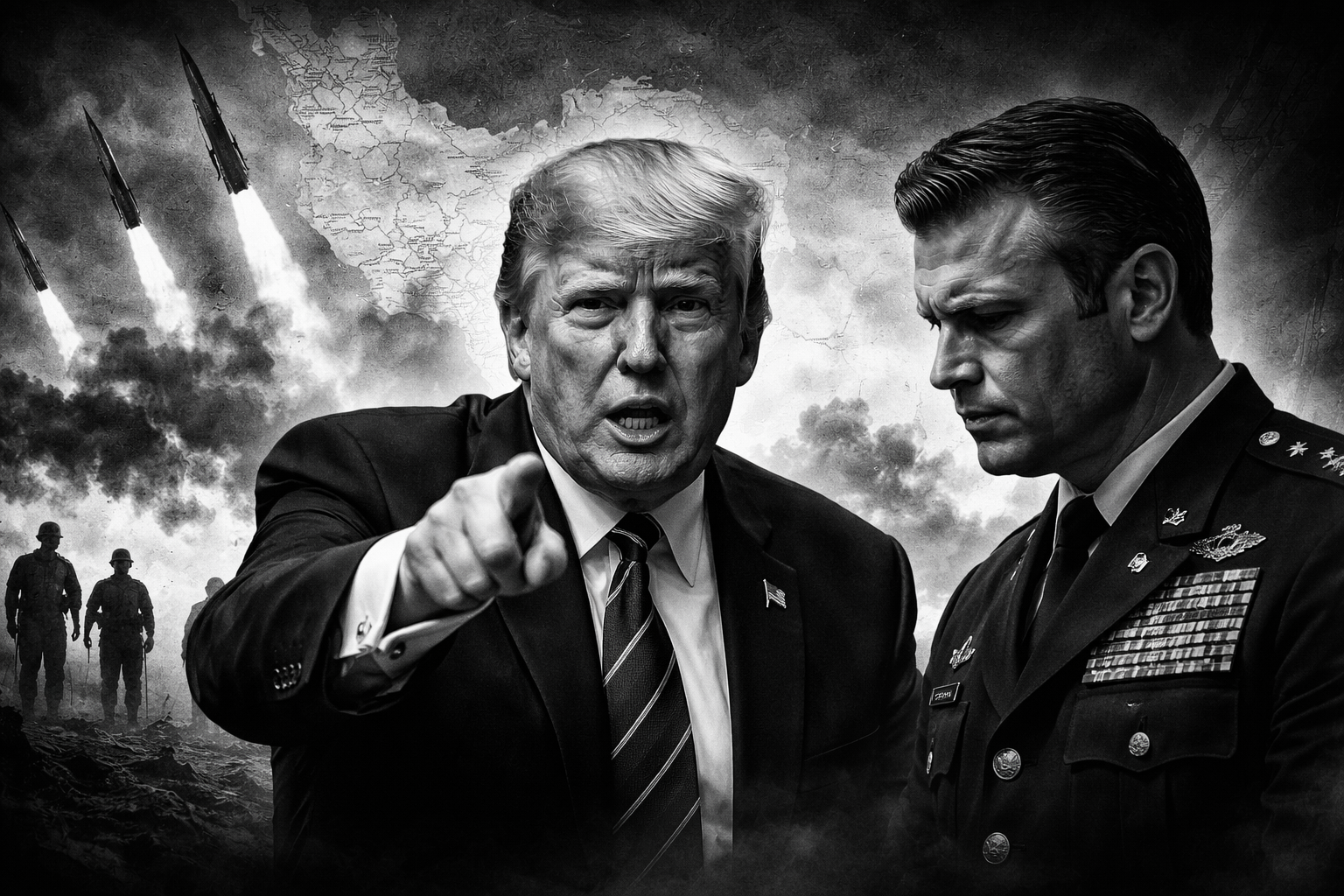
امریکہ اور ایران کے درمیان جاری کشیدگی اب چوتھے ہفتے میں داخل ہو چکی ہے، مگر جنگ کے آغاز سے متعلق سوالات ابھی تک تشفی بخش جواب کے منتظر ہیں۔ اسی تناظر میں سابق امریکی صدر Donald Trump نے ایک نیا مؤقف اختیار کرتے ہوئے اس جنگ کی ابتدا کا ذمہ دار اپنے وزیرِ دفاع Pete Hegseth کو ٹھہرا دیا ہے۔
ریاست ٹینیسی میں ایک عوامی نشست کے دوران ٹرمپ نے کہا کہ "سب سے پہلے پیٹ ہیگسیتھ نے کہا تھا: ‘چلیں یہ قدم اٹھاتے ہیں، کیونکہ ایران کو ایٹمی ہتھیار حاصل کرنے سے روکنا ضروری ہے۔’” اس بیان کے ساتھ ہی جنگ کے آغاز کے حوالے سے ایک نئی بحث نے جنم لیا ہے۔
تاہم مبصرین کا کہنا ہے کہ یہ معاملہ محض ایک بیان تک محدود نہیں، بلکہ اس کے پیچھے متضاد دعوے، خاموش سفارتی اشارے، اور بدلتے ہوئے بیانیے کارفرما ہیں۔ سوال یہ ہے کہ کیا یہ جنگ واقعی ناگزیر تھی، یا یہ ایک ایسی کہانی ہے جسے وقت کے ساتھ نئے رنگ دیے جا رہے ہیں؟
اخلاقی زاویہ:
جنگیں صرف میدانِ کارزار میں نہیں لڑی جاتیں، بلکہ الفاظ، بیانیوں اور ذمہ داریوں کے بوجھ میں بھی جاری رہتی ہیں۔ سچ کی تلاش کبھی کبھی سب سے بڑی قربانی مانگتی ہے۔
Burden of War or Burden of Narrative? — Trump Shifts Blame to His Own Defence Chief
As the ongoing tensions between the United States and Iran enter their fourth week, critical questions about the origins of the conflict remain unanswered. In a striking shift, former U.S. President Donald Trump has now suggested that the push for military action initially came from his Defence Secretary, Pete Hegseth.
Speaking at a public roundtable in Tennessee, Trump remarked, “Pete, I think you were the first one to speak up, and you said, ‘Let’s do it because you can’t let them have a nuclear weapon.’” This statement has reignited debate over the true sequence of decisions that led to the conflict.
Observers note that the issue goes beyond a single remark. Conflicting narratives, subtle diplomatic signals, and evolving justifications point toward a far more complex and layered story than what is being publicly stated.
Moral Reflection:
Wars are not fought only on battlefields; they are also waged through narratives, words, and shifting responsibilities. In such times, truth often becomes the first casualty—and the hardest to reclaim.





Leave a Reply