خصوصی مضمون
از: سیّد اکبر زاہد
کیا 165 معصوم بچیوں کی موت کسی بھی عالمی ضمیر کے لیے قابلِ قبول ہو سکتی ہے؟
دنیا کی تاریخ میں جنگوں نے بے شمار شہر اجاڑے ہیں، مگر کچھ واقعات ایسے ہوتے ہیں جو صرف ایک ملک نہیں بلکہ پوری انسانیت کے ضمیر کو جھنجھوڑ دیتے ہیں۔ ایران کے جنوبی شہر مناب میں ایک لڑکیوں کے ابتدائی اسکول پر ہونے والا مہلک حملہ بھی ایسا ہی ایک سانحہ بن کر سامنے آیا ہے۔
بین الاقوامی میڈیا رپورٹس کے مطابق شجرۂ طیّبہ (Shajareh Tayyebeh) گرلز ایلیمنٹری اسکول پر ایک میزائل حملہ اس وقت ہوا جب بچیاں کلاسوں میں موجود تھیں۔ اس حملے میں کم از کم 165 طالبات اور اسکول کے عملے کے افراد ہلاک ہوئے اور درجنوں زخمی ہوئے۔
یہ حملہ ایسے وقت ہوا جب امریکہ اور اسرائیل کی جانب سے ایران کے مختلف مقامات پر فوجی کارروائیاں جاری تھیں۔ ایرانی حکام نے اس حملے کا الزام امریکہ اور اسرائیل پر عائد کیا ہے، جبکہ امریکی اور اسرائیلی حکام نے کہا ہے کہ اسکول کو جان بوجھ کر نشانہ بنانا ان کی پالیسی نہیں اور وہ اس واقعے کی تحقیقات کر رہے ہیں۔
مگر ان سیاسی بیانات سے قطع نظر ایک حقیقت ایسی ہے جسے کوئی انکار نہیں کر سکتا:
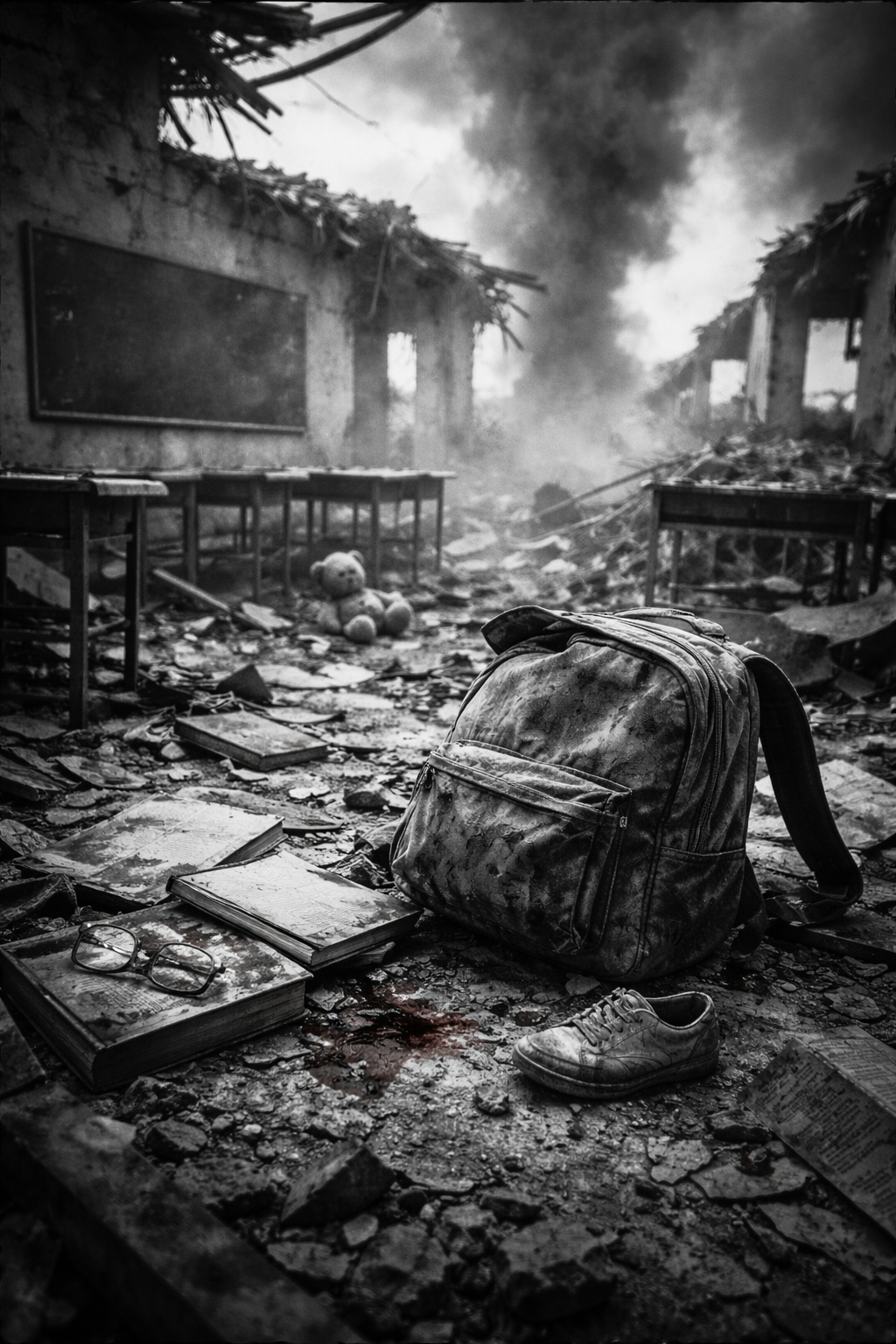
ملبے کے نیچے سے نکلنے والے بستے، خون آلود کتابیں اور چھوٹے چھوٹے جوتے۔
یہ وہ نشانیاں ہیں جو دنیا کو یاد دلاتی ہیں کہ جنگ کا اصل بوجھ ہمیشہ معصوم انسان اٹھاتے ہیں۔
انٹرنیشنل ہیومینیٹیرین لا (International Humanitarian Law) کے مطابق اسکول، اسپتال اور شہری آبادی جنگ میں محفوظ مقامات سمجھے جاتے ہیں۔ اقوام متحدہ کے اداروں اور انسانی حقوق کی تنظیموں نے اس واقعے کو انتہائی تشویشناک قرار دیتے ہوئے آزاد اور شفاف تحقیقات کا مطالبہ کیا ہے۔
مناب میں ہونے والے اجتماعی جنازوں کے مناظر — جن میں چھوٹے چھوٹے تابوت قومی پرچموں میں لپٹے ہوئے تھے — نے دنیا بھر کے لوگوں کو رنجیدہ کر دیا۔ ہزاروں افراد ان جنازوں میں شریک ہوئے اور اپنے ہاتھوں میں بچیوں کی تصویریں اٹھائے ہوئے تھے۔
یہ سانحہ صرف ایران کا دکھ نہیں بلکہ پوری انسانیت کے لیے ایک سوال ہے۔
کیا جنگ کی حکمتِ عملی میں بچوں کی جانوں کی کوئی قیمت نہیں؟
اگر عالمی نظام واقعی انصاف اور انسانیت پر قائم ہے تو پھر اس سوال کا جواب صرف بیانات سے نہیں بلکہ حقیقت کی تلاش اور ذمہ داری کے تعین سے دینا ہوگا۔
165 بچیوں کی موت — اگرچہ یہ ایک عدد کے طور پر لکھی جا رہی ہے — مگر حقیقت میں یہ 165 خوابوں، 165 مستقبلوں اور سینکڑوں خاندانوں کی امیدوں کا خاتمہ ہے۔
دنیا کی سیاست شاید طاقت کے توازن سے چلتی ہو، مگر تاریخ ہمیشہ ایک ہی سوال پوچھتی ہے:
کیا طاقت اتنی اندھی ہو سکتی ہے کہ وہ بچوں کے خوابوں کو بھی جنگ کا ایندھن بنا دے؟
The Minab School Tragedy: A Test for Humanity
History records many wars, but some events transcend politics and become moral shocks to humanity itself. The devastating strike on a girls’ elementary school in Minab, southern Iran, appears to be one such tragedy.
According to multiple international reports, a missile strike hit the Shajareh Tayyebeh Girls’ Elementary School during school hours, killing approximately 165 students and school staff and injuring dozens more.
The attack occurred during the opening phase of a broader military operation involving strikes by the United States and Israel against Iranian targets. Iranian authorities have blamed the U.S. and Israel for the attack, while officials from both countries have said they do not deliberately target schools and are investigating the reports.
Yet beyond political statements lies a grim reality.
Rescue workers reportedly found blood-stained notebooks, broken desks, and children’s backpacks scattered beneath the rubble — haunting reminders that the victims were schoolchildren, not combatants.
International humanitarian law clearly prohibits attacks on civilian infrastructure such as schools. Human rights groups and global organizations have therefore called for independent and transparent investigations into the incident.
Scenes from the funerals in Minab — rows of coffins draped in national flags and grieving families holding portraits of their daughters — have shaken public conscience around the world.
The tragedy raises a profound moral question:
Can the killing of innocent children ever be justified by any geopolitical objective?
If the international order claims to stand for justice and humanity, then this question must be answered not merely through diplomatic statements but through truth, accountability, and protection of civilians.
Because behind the number 165 are not statistics — but 165 dreams, futures, and lives that should have belonged to tomorrow.
And history will inevitably ask the world:
Can global power struggles become so ruthless that even the dreams of children are no longer safe?





Leave a Reply