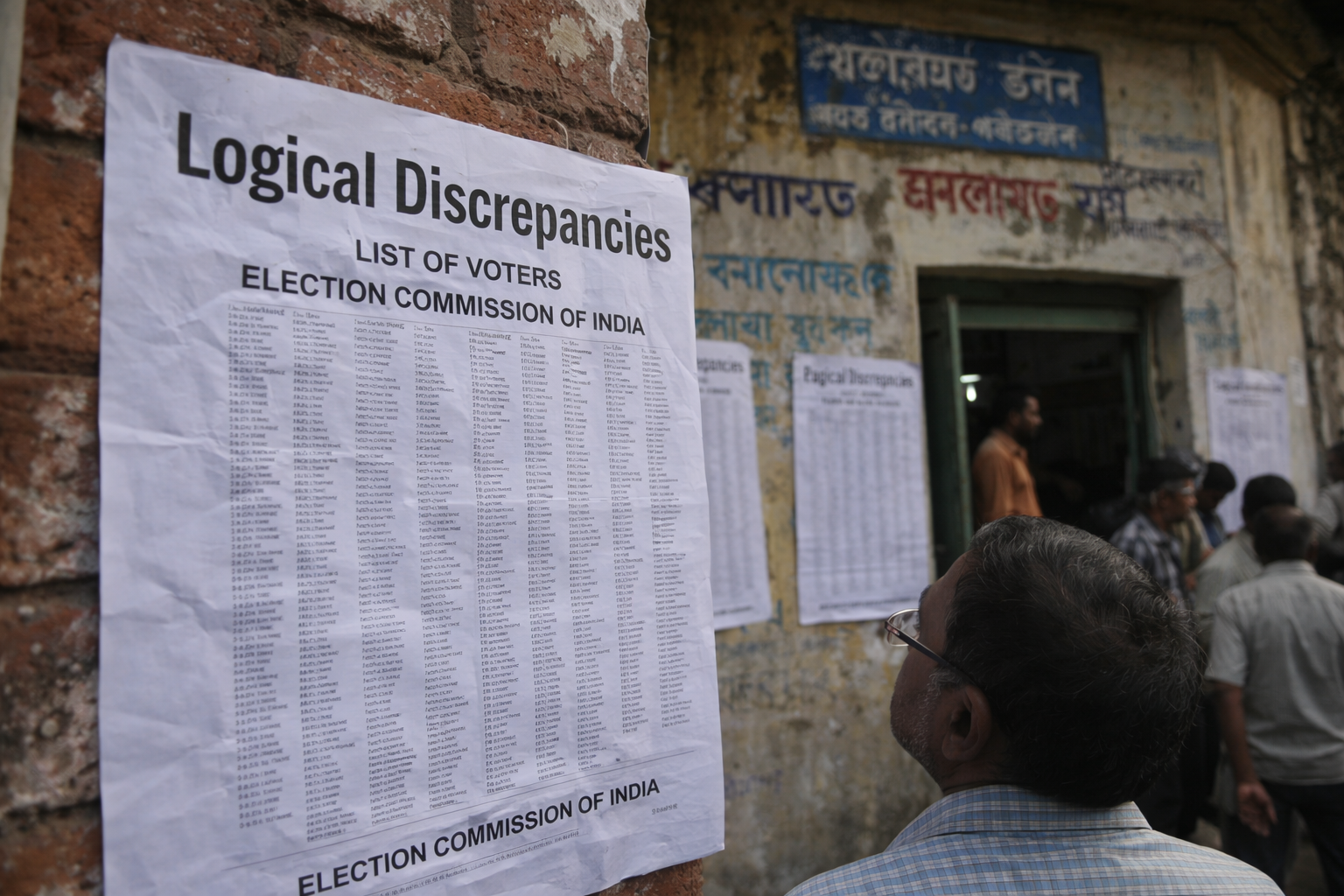


فارم 7 کا غلط استعمال کیا جارہا ہے
جمہوریت کی اصل طاقت ووٹ کی پرچی میں پوشیدہ ہوتی ہے، مگر جب یہی پرچی خاموشی سے فہرستوں سے مٹنے لگے تو سوال صرف قانون کا نہیں، ضمیر کا بھی ہوتا ہے۔ کانگریس نے الزام عائد کیا ہے کہ ملک کی مختلف ریاستوں میں فارم–7 کے مبینہ غلط استعمال کے ذریعے اہل ووٹروں کے نام منظم انداز میں حذف کیے جا رہے ہیں—اور اس عمل کی زد میں بالخصوص پسماندہ اور محروم طبقات آ رہے ہیں۔
کانگریس کے جنرل سیکریٹری (تنظیم) K. C. Venugopal نے Election Commission of India کو ایک تفصیلی خط میں متنبہ کیا ہے کہ Registration of Electors Rules, 1960 کے تحت فارم–7 کا دائرہ محدود اور مخصوص ہے، جس میں اعتراض کنندہ کی واضح شناخت اور دستاویزی بنیاد ناگزیر ہوتی ہے۔ مگر شکایات کے مطابق، یہ فارم بڑے پیمانے پر، نامکمل معلومات، ناقابلِ تصدیق تفصیلات اور مشتبہ اندراجات کے ساتھ جمع کرائے جا رہے ہیں۔
خط میں یہ بھی کہا گیا ہے کہ بعض مقامات پر ایسے افراد بطور معترض درج پائے گئے جو یا تو Bharatiya Janata Party سے وابستہ بوتھ ایجنٹس نکلے یا انہوں نے کسی اعتراض سے لاعلمی ظاہر کی۔ راجستھان سے لے کر آسام، گجرات، مدھیہ پردیش، چھتیس گڑھ، اتر پردیش، مغربی بنگال اور کیرالہ تک ایک جیسے نمونے اس اندیشے کو تقویت دیتے ہیں کہ معاملہ نہ مقامی ہے اور نہ اتفاقی۔
کانگریس کے مطابق اگر اس رجحان کو فوری طور پر نہ روکا گیا تو یہ جمہوری عمل کی شفافیت کو مجروح کرے گا اور لاکھوں شہری—خصوصاً حاشیے پر موجود طبقات—اپنے بنیادی حق سے محروم ہو سکتے ہیں۔ پارٹی نے کمیشن سے مطالبہ کیا ہے کہ فارم–7 درخواستوں کی سخت جانچ، یکساں رہنما ہدایات، آئینی اختیارات کے تحت تحقیقات اور دانستہ غلط بیانی پر قانونی کارروائی کی جائے۔
یہ معاملہ محض کاغذی فارم کا نہیں، بلکہ اس خاموش سوال کا ہے:
کیا جمہوریت ووٹ کے بغیر بھی سلامت رہ سکتی ہے؟
جمہوریت صرف ووٹ ڈالنے کا نام نہیں، بلکہ ووٹ کی حفاظت کا عہد بھی ہے۔ اگر کسی حلقے میں این جی اوز، سماجی تنظیمیں یا انسانی حقوق کے ادارے یہ محسوس کریں کہ انتخابی فہرستوں کے ساتھ چھیڑ چھاڑ ہو رہی ہے، تو خاموشی جرم کے مترادف بن جاتی ہے۔ ایسے میں فوری عدالتی مداخلت ناگزیر ہے—جیسا کہ کانگریس کے جنرل سیکریٹری K. C. Venugopal نے کیا، جنہوں نے Election Commission of India کو خط لکھ کر اس مبینہ عمل کو فوراً روکنے کا مطالبہ کیا۔
یہ راستہ صرف سیاسی جماعتوں تک محدود نہیں۔ سول سوسائٹی، این جی اوز اور انسانی حقوق کی تنظیمیں بھی نہ صرف الیکشن کمیشن بلکہ عدالتوں سے رجوع کر سکتی ہیں—اور کرنی چاہئیں۔
کیونکہ تاریخ گواہ ہے:
جب تک سماج اجتماعی طور پر ناانصافی کے خلاف کھڑا نہ ہو، قانون کی کتابیں خاموش اور جمہوریت زخمی رہتی ہے۔
Silent Erasures: Form-7 and the Test of Indian Democracy
Democracy draws its strength from the ballot. When names begin to disappear quietly from electoral rolls, the issue transcends legality and enters the realm of conscience. The Indian National Congress has alleged a systematic and coordinated misuse of Form-7 across several Indian States, leading to the deletion of eligible voters—particularly from marginalised and backward communities.
In a detailed communication to the Election Commission of India, Congress general secretary (organisation) K. C. Venugopal emphasised that Form-7, governed by the Registration of Electors Rules, 1960, serves a narrow statutory purpose and mandates verifiable identity details and documentary evidence. Contrary to this legal framework, the party alleges that bulk submissions containing illegible names, invalid EPIC numbers, and unverifiable objector details are being entertained.
The Congress claims that several individuals listed as objectors were either BJP booth-level agents or later denied filing any objections at all. Similar patterns emerging across Rajasthan, Assam, Gujarat, Madhya Pradesh, Chhattisgarh, Uttar Pradesh, West Bengal, and Kerala suggest that the issue is neither localised nor accidental.
Describing the situation as “gravely worrying,” the party has urged the Commission to enforce strict scrutiny of Form-7 applications, issue uniform preventive guidelines, invoke its constitutional authority to investigate the alleged violations, and initiate legal action—including FIRs—where deliberate false declarations are found.
At its core, the controversy raises a profound question for the world’s largest democracy:
Can the spirit of democracy survive when its voices are quietly erased?
Democracy is not merely about casting a vote—it is about safeguarding that vote. When NGOs, civil society groups, or human rights organisations sense manipulation in electoral rolls within their constituencies, silence becomes complicity. Immediate judicial intervention is essential—just as Congress general secretary K. C. Venugopal demonstrated by formally approaching the Election Commission of India, demanding an urgent halt to the alleged misuse.
This responsibility does not rest with political parties alone. Civil society has both the right and the duty to seek remedies—not only before the Election Commission but also through the courts.
For history reminds us that democracy does not collapse in one blow; it erodes when injustice meets indifference.





Leave a Reply