

🇸🇴 اسرائیل کا صومالی لینڈ کو تسلیم کرنا: افریقہ کے سینگ میں نئی سفارتی بساط
(الف نیوز خصوصی رپورٹ)
ہرگیسا | 9 جنوری 2026
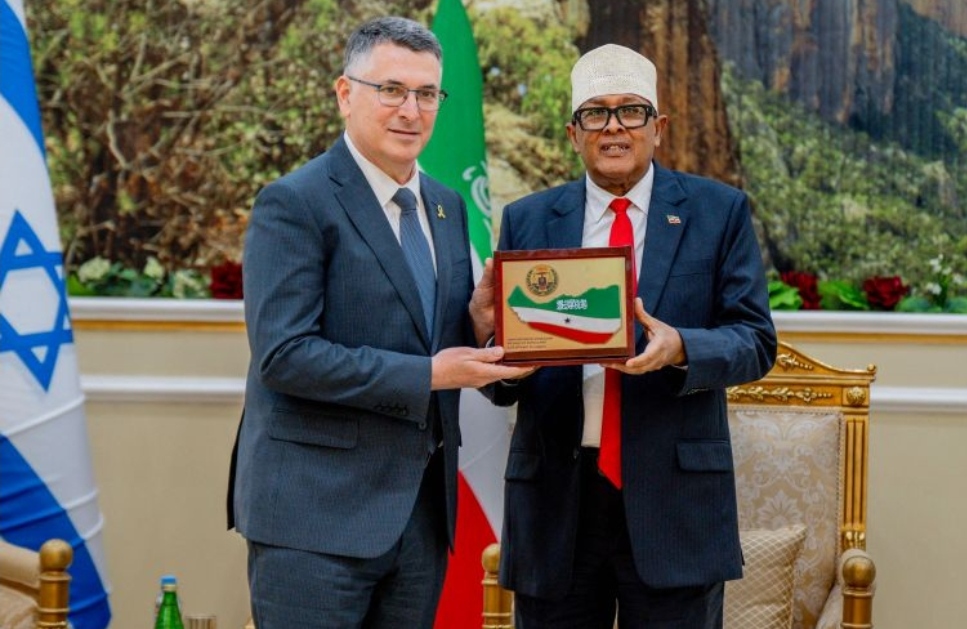
اسرائیل کے وزیرِ خارجہ Gideon Saar کا صومالی لینڈ کا دورہ ایک تاریخی موڑ قرار دیا جا رہا ہے۔ یہ کسی اعلیٰ اسرائیلی عہدیدار کا پہلا دورہ ہے، جو اس اعلان کے بعد ہوا کہ اسرائیل نے گزشتہ برس کے اختتامی دنوں میں صومالی لینڈ کو باضابطہ طور پر تسلیم کر لیا تھا۔
اس فیصلے کا اعلان اسرائیلی وزیرِ اعظم Benjamin Netanyahu نے 26 دسمبر کو کیا تھا۔ ان کے مطابق یہ قدم “ابراہیم معاہدات” کی روح کے مطابق ہے—وہ امریکی سرپرستی میں شروع کیا گیا عمل جس کا مقصد عرب ممالک اور اسرائیل کے درمیان تعلقات کو معمول پر لانا ہے۔
ہرگیسا میں صومالی لینڈ کے صدر عبد الرحمن عبداللہ محمد سے ملاقات کے بعد، اسرائیلی وزیرِ خارجہ نے واضح کیا کہ اسرائیل تنقید یا عالمی دباؤ کے باوجود اپنے سفارتی فیصلوں میں آزاد ہے۔ ان کا کہنا تھا کہ اسرائیل یہ طے کرنے کا حق رکھتا ہے کہ وہ کن ریاستوں کو تسلیم کرے اور کن سے تعلقات قائم رکھے۔
تاہم اسرائیل کے اس اقدام پر شدید ردِعمل سامنے آیا ہے۔ Somalia نے اس فیصلے کی سخت مذمت کی، جبکہ ترکی، سعودی عرب اور افریقی یونین سمیت متعدد ممالک اور اداروں نے اسے علاقائی خودمختاری کے اصولوں کے منافی قرار دیا۔
تجزیہ نگاروں کے مطابق اسرائیل کا یہ قدم محض سفارتی نہیں بلکہ اس کی وسیع تر علاقائی حکمتِ عملی کا حصہ ہے۔ غزہ میں جاری جنگ، لبنان، شام، یمن اور ایران پر حملوں کے تناظر میں، ناقدین اسے اسرائیل کی اس خواہش سے جوڑتے ہیں کہ وہ امریکی حمایت کے ساتھ خود کو ایک علاقائی بالادست طاقت کے طور پر منوائے۔
صومالی لینڈ کی جغرافیائی اہمیت—بحیرۂ احمر اور بحرِ ہند کے سنگم پر واقعگی، اور بیربرا بندرگاہ کی قربت—اس فیصلے میں کلیدی عنصر سمجھی جا رہی ہے۔ یہی بحری راستے گزشتہ برسوں میں یمن کے حوثی باغیوں کے حملوں کی زد میں رہے ہیں۔
اگرچہ صومالی لینڈ تین دہائیوں سے زائد عرصے سے خودمختار انتظام رکھتا ہے، مگر عالمی سطح پر اسے تسلیم نہیں کیا گیا تھا۔ اسرائیل کی جانب سے پہچان ملنے کے بعد، یہاں کے عوام میں یہ امید جاگی ہے کہ دیگر ممالک بھی اسی راہ پر چلیں گے۔
🇸🇴 Israel’s Recognition of Somaliland: A New Diplomatic Front in the Horn of Africa
(Alif News – Special Report)
Hargeisa | January 9, 2026
Israel’s Foreign Minister Gideon Saar has made a landmark visit to Somaliland, becoming the first senior Israeli official to do so after Israel formally recognised the breakaway region late last year.
The decision was announced on December 26 by Israeli Prime Minister Benjamin Netanyahu, who said the move aligned with the “spirit of the Abraham Accords”, a US-led initiative aimed at normalising relations between Israel and Arab states.
During talks with Somaliland President Abdirahman Abdullahi Mohamed in Hargeisa, Saar stated that Israel would not be deterred by international criticism, asserting its sovereign right to determine diplomatic relations.
The recognition, however, has triggered strong backlash. Somalia condemned the move, while countries including Turkey and Saudi Arabia, along with the African Union, raised objections over regional sovereignty and stability.
Analysts see Israel’s decision as part of a broader strategic agenda. Amid the war in Gaza and escalating tensions with neighbouring states such as Lebanon, Syria, Yemen and Iran, critics argue Israel is seeking to project itself—backed by the United States—as a dominant regional power.
Somaliland’s strategic location near key maritime routes between the Red Sea and the Indian Ocean, particularly close to the port of Berbera, is viewed as a crucial factor. These routes have faced repeated security threats in recent years, heightening their geopolitical importance.
Although Somaliland has functioned as a self-governing entity for over 30 years, international recognition has remained elusive. Israel’s move has rekindled hopes among its residents that other nations may now follow suit, potentially reshaping diplomatic dynamics in the Horn of Africa.





Leave a Reply