غضبِ انتقائی یا عالمی سیاست؟
برسلز / تہران (الف نیوز ڈسک)
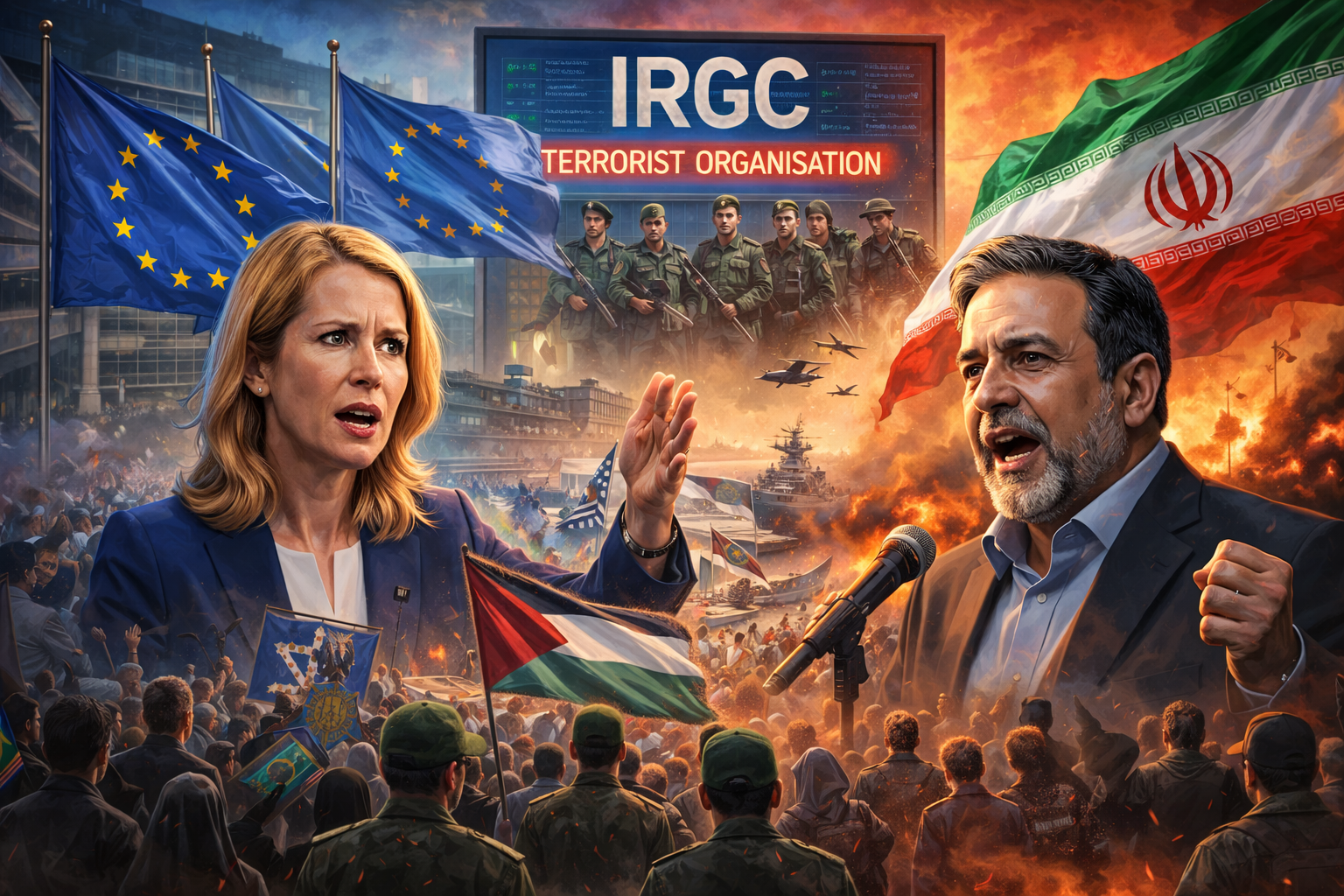
یورپی یونین نے ایران کی اسلامی انقلابی گارڈ کور (IRGC) کو باضابطہ طور پر ایک “دہشت گرد تنظیم” قرار دے کر مشرقِ وسطیٰ کی پہلے سے کشیدہ فضا میں ایک نیا اور گہرا شگاف ڈال دیا ہے۔ یہ فیصلہ ایران میں حکومت مخالف احتجاجات کے دوران مبینہ سخت کریک ڈاؤن کے پس منظر میں سامنے آیا ہے، جسے یورپی قیادت انسانی حقوق کی سنگین خلاف ورزی قرار دے رہی ہے۔
یورپی یونین کی خارجہ پالیسی سربراہ کاجا کالاس نے اس اقدام کو “فیصلہ کن قدم” قرار دیتے ہوئے کہا کہ
“جبر کا جواب خاموشی نہیں ہو سکتا۔ جو نظام اپنے ہی شہریوں کو کچلتا ہے، وہ اپنی بقا کو خود خطرے میں ڈالتا ہے۔”
ایران نے اس فیصلے کو سختی سے مسترد کرتے ہوئے اسے غیر قانونی، سیاسی اور بین الاقوامی قانون کے منافی قرار دیا ہے۔ ایرانی وزارتِ خارجہ کے مطابق یہ اقدام ایران کی خودمختاری اور داخلی معاملات میں کھلی مداخلت ہے، اور تہران نے خبردار کیا ہے کہ وہ اپنی قومی سلامتی اور مفادات کے تحفظ کے لیے “مناسب جواب” دینے کا حق محفوظ رکھتا ہے۔
1979 کے اسلامی انقلاب کے بعد قائم ہونے والی IRGC، ایران کی طاقتور ترین عسکری تنظیم سمجھی جاتی ہے، جو براہِ راست سپریم لیڈر آیت اللہ علی خامنہ ای کو جواب دہ ہے اور ملک کے میزائل و جوہری پروگرام میں کلیدی کردار ادا کرتی ہے۔ اس ادارے کو دہشت گرد قرار دینا محض ایک قانونی اقدام نہیں بلکہ ایک علامتی سیاسی اعلان بھی سمجھا جا رہا ہے۔
اسی روز یورپی کونسل نے ایران میں احتجاجات کے دوران مبینہ انسانی حقوق کی خلاف ورزیوں پر 15 افراد اور 6 اداروں پر نئی پابندیاں بھی عائد کیں، جن میں ایران کے وزیرِ داخلہ اور پراسیکیوٹر جنرل کے نام شامل ہیں۔
ایران میں حالیہ احتجاجات مہنگائی، معاشی دباؤ اور سماجی بےچینی کے نتیجے میں پھوٹے، جنہیں قابو میں لانے کے لیے طاقت کے استعمال پر عالمی سطح پر شدید تنقید کی گئی۔ ایرانی حکام کے مطابق ہلاکتوں کی تعداد 3,117 ہے، جبکہ آزاد انسانی حقوق کے ادارے اس سے کہیں زیادہ اعداد و شمار پیش کر رہے ہیں—اعداد و شمار جن کی آزادانہ تصدیق ممکن نہیں ہو سکی۔
ایرانی وزیرِ خارجہ عباس عراقچی نے یورپی فیصلے کو “منتخب غصہ” قرار دیتے ہوئے کہا کہ یورپ غزہ میں اسرائیلی کارروائیوں پر خاموش ہے مگر ایران کے معاملے میں انسانی حقوق کا پرچم اٹھا رہا ہے۔ ان کے بقول، یہ طرزِ عمل نہ صرف منافقت ہے بلکہ یورپ کے اپنے مفادات کے بھی خلاف ہے، خاص طور پر ایسے وقت میں جب خطہ ایک بڑی جنگ کے دہانے پر کھڑا دکھائی دیتا ہے۔
ایرانی مسلح افواج کے جنرل اسٹاف نے بھی اس فیصلے کو “غیر منطقی اور غیر ذمہ دارانہ” قرار دیتے ہوئے کہا کہ یہ ایرانی قوم اور اس کی آزادی کے خلاف کھلی دشمنی کی علامت ہے۔
یہ تمام پیش رفت ایسے وقت میں ہو رہی ہے جب امریکہ مشرقِ وسطیٰ میں اپنی فوجی موجودگی بڑھا رہا ہے۔ امریکی صدر ڈونلڈ ٹرمپ کی جانب سے ایران کے خلاف مسلسل فوجی دھمکیوں اور “بڑی بحری طاقت” کی روانگی کے اعلانات نے خدشات کو مزید بڑھا دیا ہے۔ ایران واضح کر چکا ہے کہ کسی بھی حملے کا جواب فوری اور شدید ہو گا۔
یوں یہ معاملہ محض پابندیوں یا فہرستوں تک محدود نہیں رہا، بلکہ یہ سوال بن چکا ہے کہ آیا دنیا انسانی حقوق کے نام پر نئی جنگوں کے دہانے پر کھڑی ہے—یا پھر یہ سب طاقت کے توازن کی ایک اور خطرناک بساط ہے۔
Selective Outrage or Strategic Signal? — EU Blacklists Iran’s IRGC as Tensions Edge Toward Confrontation
Brussels / Tehran —
The European Union has formally designated Iran’s Islamic Revolutionary Guard Corps (IRGC) as a “terrorist organisation,” marking a dramatic escalation in already strained relations between Tehran and Western powers. The decision follows a deadly crackdown on anti-government protests in Iran, which European leaders say amounted to grave human rights violations.
EU foreign policy chief Kaja Kallas described the move as a “decisive step,” declaring that repression “cannot go unanswered” and warning that any regime that kills its own people ultimately undermines its own survival.
Iranian authorities swiftly condemned the decision, calling it illegal, politically motivated, and contrary to international law. The Iranian Foreign Ministry said the designation represents an unacceptable interference in Iran’s internal affairs and warned that Tehran reserves the right to take appropriate measures to defend its sovereignty, national security, and national interests.
Established after Iran’s 1979 Islamic Revolution, the IRGC is an elite military force that reports directly to Supreme Leader Ayatollah Ali Khamenei and plays a central role in Iran’s missile and nuclear programs. Its blacklisting by the EU is widely viewed not only as a legal action but as a powerful political statement.
Alongside the IRGC designation, the European Council imposed new sanctions on 15 individuals and six entities accused of serious human rights violations linked to the protest crackdown, including Iran’s interior minister and prosecutor general.
Iran has faced intense international criticism over its response to mass demonstrations sparked by soaring inflation and socioeconomic grievances. While Iranian officials report more than 3,000 deaths, independent human rights groups have cited significantly higher figures—numbers that remain difficult to verify independently.
Iranian Foreign Minister Abbas Araghchi accused the EU of “selective outrage,” pointing to what he described as Europe’s silence over Israel’s actions in Gaza while rushing to act against Iran. He warned that the EU’s posture was hypocritical and could ultimately harm Europe’s own interests, particularly as the region edges closer to a wider conflict.
Iran’s armed forces echoed the criticism, calling the EU’s move “illogical and irresponsible” and a clear sign of hostility toward the Iranian nation and its independence.
The escalation comes amid growing fears of military confrontation, as the United States builds up its forces in the Middle East. President Donald Trump has repeatedly threatened Iran in recent weeks, warning that a massive U.S. armada is prepared to use force if Tehran refuses nuclear talks. Iranian leaders have responded that negotiations under threat are impossible and that any attack would be met with an immediate and powerful response.
What began as a debate over human rights has thus expanded into a far more dangerous question: whether the language of accountability is becoming the prelude to another major conflict in an already volatile region.





Leave a Reply