شمارہ نمبر 85


عدالتیں انصاف کی علامت ہوتی ہیں۔۔۔۔۔
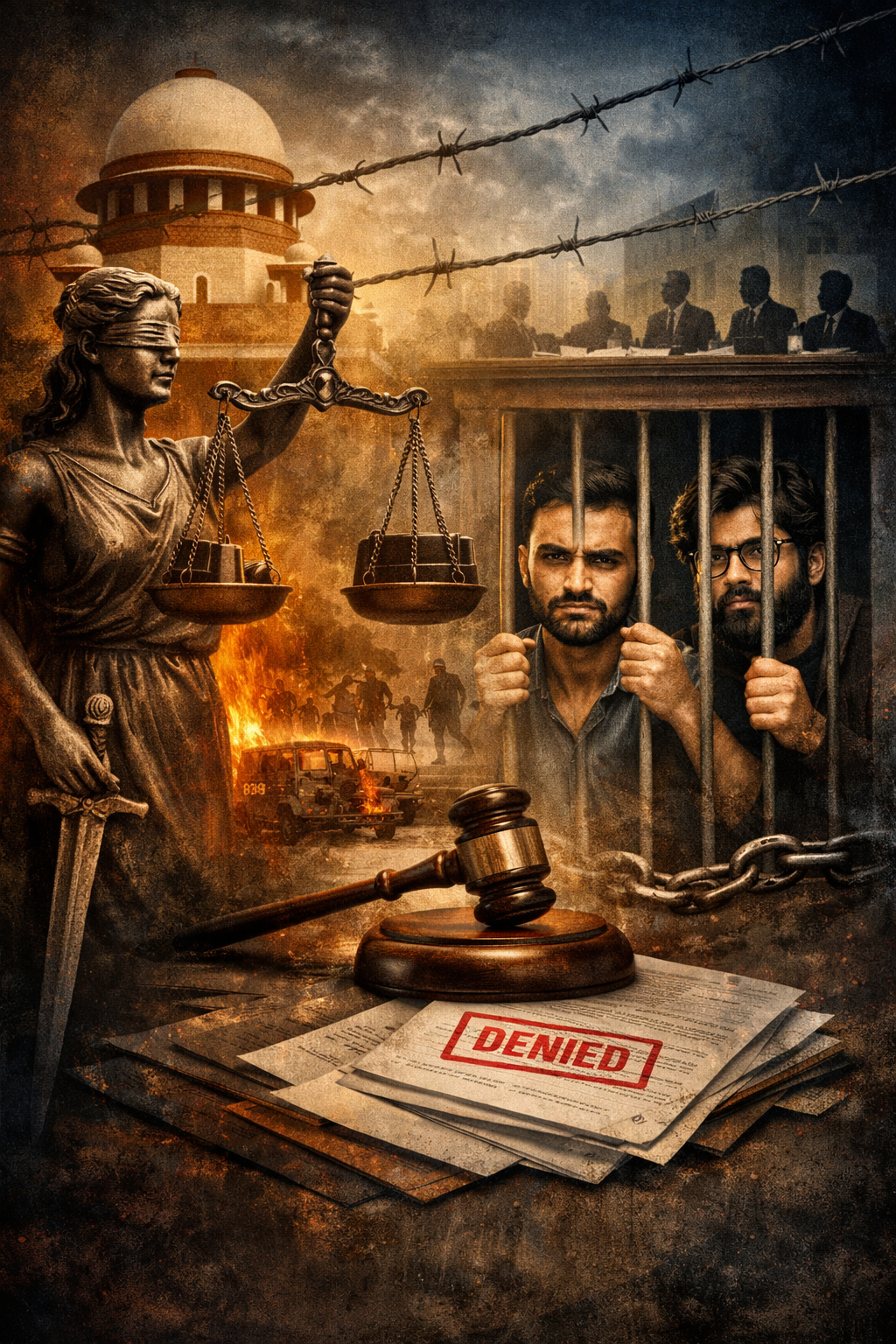
عدالتیں انصاف کی علامت ہوتی ہیں، مگر جب انصاف دیر کا شکار ہو جائے تو سوال جنم لیتے ہیں۔ دہلی فسادات سے جڑے مقدمات میں عمر خالد اور شرجیل امام کی ضمانت ایک بار پھر نامنظور ہونا محض ایک عدالتی فیصلہ نہیں، بلکہ ہندوستان کے نظامِ انصاف پر اٹھنے والا ایک سنجیدہ سوال ہے۔
یہ تلخ حقیقت نظرانداز نہیں کی جا سکتی کہ ملک میں ایسے بے شمار مجرم ہیں جن پر سنگین الزامات کے باوجود وہ کھلے عام گھوم رہے ہیں۔ کئی معاملات میں ثبوت، ویڈیوز اور عینی شواہد موجود ہونے کے باوجود اصل کردار قانون کی گرفت سے باہر ہیں۔ اس کے برعکس عمر خالد اور شرجیل امام جیسے افراد، جن کے خلاف براہِ راست تشدد یا اشتعال انگیزی کے ناقابلِ تردید شواہد سامنے نہیں آئے، برسوں سے سلاخوں کے پیچھے ہیں۔
انصاف کا بنیادی اصول یہ ہے کہ ضمانت قاعدہ ہے، قید استثنا۔ مگر یہاں استثنا قاعدہ بنتا دکھائی دے رہا ہے۔ سوال یہ نہیں کہ عدالت کو اختیار حاصل ہے یا نہیں—سوال یہ ہے کہ اختیار کا استعمال کس توازن اور کس اخلاقی پیمانے پر ہو رہا ہے؟ اگر کسی کے خلاف الزام ہے تو مقدمہ چلایا جائے، ثبوت پیش ہوں، اور فیصلہ ہو۔ مگر برسوں تک بغیر فیصلہ قید میں رکھنا انصاف کے روح سے مطابقت نہیں رکھتا۔
یہ اداریہ کسی کو مجرم یا بے گناہ قرار دینے کی عدالتی ذمہ داری اپنے سر نہیں لیتا، مگر یہ ضرور کہتا ہے کہ انصاف صرف ہونا ہی نہیں چاہیے، نظر بھی آنا چاہیے۔ جب کمزور، اختلاف رکھنے والے یا ناقدانہ آوازیں رکھنے والے افراد کے ساتھ قانون کی سخت ترین تعبیر اختیار کی جائے، اور طاقتور یا اصل ذمہ داروں کے لیے نرمی برتی جائے، تو عوام کے دلوں میں قانون کی حرمت کمزور پڑتی ہے۔
اگر عمر خالد اور شرجیل امام واقعی قصوروار ہیں تو شفاف، تیز اور منصفانہ سماعت کے ذریعے فیصلہ سامنے آنا چاہیے۔ اور اگر وہ بے گناہ ہیں—یا کم از کم ان کے خلاف مقدمہ کمزور ہے—تو ضمانت سے انکار انصاف کے تقاضوں سے متصادم ہے۔
ریاست کا فرض صرف قانون نافذ کرنا نہیں، بلکہ انصاف کی حفاظت بھی ہے۔
Editorial
Courts are meant to be sanctuaries of justice. But when justice is delayed and appears selective, it inevitably raises troubling questions. The repeated denial of bail to Umar Khalid and Sharjeel Imam in cases linked to the Delhi riots is not merely a legal outcome—it is a moment that invites national introspection.
Across the country, there are numerous instances where individuals accused of grave crimes walk free, despite visible evidence and public scrutiny. In stark contrast, Khalid and Imam—against whom no conclusive proof of direct violence or explicit incitement has been established in open court—remain behind bars for years. This contrast unsettles the foundational promise of equal justice under law.
A cornerstone of democratic jurisprudence is that bail is the rule, jail the exception. Yet, in cases involving dissenting voices, the exception increasingly seems to become the norm. The issue is not whether courts possess the authority to deny bail—they do. The real question is how that authority is exercised, and whether it aligns with constitutional morality and fairness.
This editorial does not presume to declare guilt or innocence—that is the court’s domain. But it firmly asserts that justice must not only be done; it must be seen to be done. When prolonged incarceration replaces timely trials, and when the weight of the law appears heavier on critics than on alleged perpetrators, public faith in justice erodes.
If Umar Khalid and Sharjeel Imam are guilty, let a transparent and expeditious trial prove it. If the evidence is weak or circumstantial, continued denial of bail contradicts the very spirit of justice.
A state’s strength lies not in the severity of its laws, but in the fairness of their application.
انصاف کو خوف یا دباؤ کا اسیر نہیں ہونا چاہیے۔ اختلاف جرم نہیں، اور خاموشی انصاف کی علامت نہیں۔





Leave a Reply